Ksurgery MED Ksurgery MED
  • Who We Are
  • Opera Academy
  • Aesthetic Medicine Products
    • Skinbooster
    • Skinfiller
    • Supernova
    • Technical Care
  • Laboratori
  • Results
    • Opera Results
    • Supernova Results
  • News
  • Contacts
  • Who We Are
  • Opera Academy
  • Aesthetic Medicine Products
    • Skinbooster
    • Skinfiller
    • Supernova
    • Technical Care
  • Laboratori
  • Results
    • Opera Results
    • Supernova Results
  • News
  • Contacts
Ksurgery MED

Ksurgery MED

Home / Ksurgery MED
06Oct

Beyond the Face: A Clinical Approach to Neck and Décolleté Rejuvenation

October 6, 2026 Marta Aesthetic medicine, Skin care, Ksurgery MED, Aesthetic medicine, Treatments 122

In the contemporary aesthetic medicine landscape, the therapeutic focus is progressively broadening: from an almost exclusive focus on the face to a more comprehensive approach, also encompassing adjacent anatomical areas.

One of the aesthetic concerns most frequently encountered by patients is the discrepancy between a well-groomed, youthful-looking face and a neck or décolleté that more clearly show the signs of aging.

Today, interest is therefore extending to extra-facial rejuvenation, with the neck and décolleté increasingly integrated into combined and minimally invasive clinical protocols, aimed at improving skin quality, texture, hydration and firmness.


Extrafacial skin aging: anatomical peculiarities

The neck and décolleté have different anatomical and functional characteristics than the face, which can make them particularly vulnerable to photoaging, environmental stress, and age-related changes.

  1. Structural fragility:
    The skin of the neck is particularly thin and has fewer adnexal structures and pilosebaceous units than the skin of the face. This characteristic requires special attention in the choice and intensity of treatments, especially when using resurfacing or peeling procedures.
  2. Progressive loss of tissue support.
    With aging, changes occur in the extracellular matrix, collagen, elastin, and underlying tissues. The progressive reduction in skin quality and elasticity contributes to the appearance of sagging, micro-wrinkles, and the characteristic horizontal lines of the neck, often referred to as "necklaces of Venus."
  3. Muscle Dynamics and "Tech Neck"
    The neck is constantly subjected to flexion, extension, and rotation movements. Over time, the activity of the platysma can also contribute to the appearance or accentuation of vertical lines. Added to this is the so-called "Tech Neck": frequent flexion of the head while using smartphones and other devices can accentuate the horizontal lines of the neck, even in younger patients.
  4. Chronic photodamage.
    The neck and décolleté are frequently exposed to solar radiation but often receive less consistent photoprotection than the face. Cumulative exposure to UV rays contributes to the deterioration of the dermal matrix and can manifest as dyschromia, loss of elasticity, roughness, and alterations in skin texture.

Minimally invasive solutions: towards a multimodal approach

Surgery remains a fundamental option for sagging and significant structural changes. However, in recent years, the range of non-surgical and minimally invasive treatments available to address the various factors that cause aging in the neck and décolleté has significantly expanded.

The contemporary clinical approach therefore tends to be personalized, combined and multi-layered, selecting the treatment based on the anatomy and the prevalent imperfection.

Surface action: texture and discoloration

When the focus is on the skin's surface, appropriately selected chemical peels can promote epidermal renewal, improve texture, and help manage superficial discolorations.

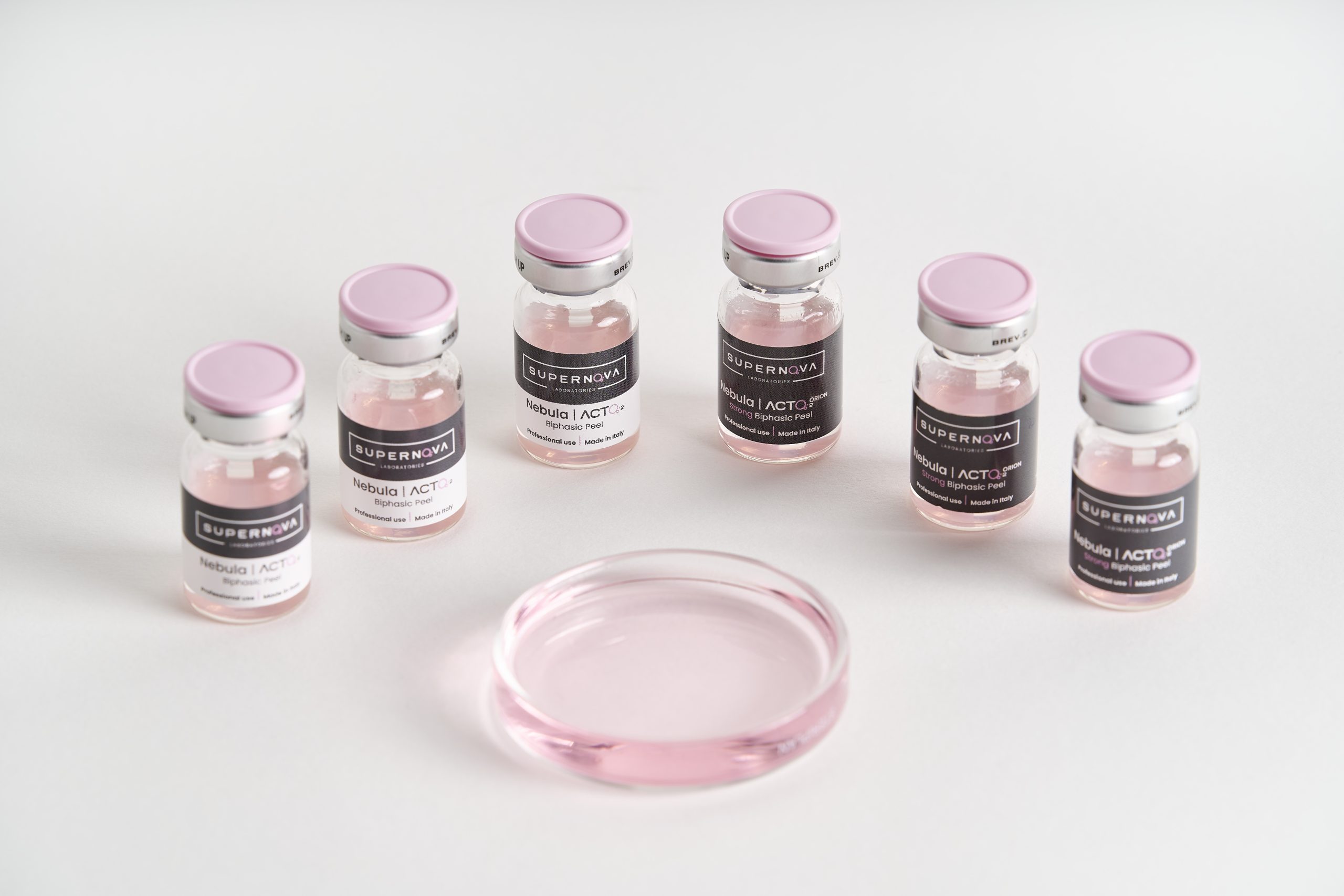
The Nebula | ACTO₂ two-phase peels from the Supernova line by Ksurgery MED, for example, were developed to achieve a controlled exfoliating action and can also be used on the neck and décolleté as part of specific protocols.

Skinbooster and revitalization: improving skin quality

An increasingly important role in the treatment of these areas is played by injectables aimed at improving skin quality, including formulations based on hyaluronic acid.

However, treating the neck and décolleté requires special attention to product selection and its rheological characteristics. The shallow depth and thickness of the skin make it essential to use appropriate formulations and techniques, aiming to achieve homogeneous integration into the tissues and limit the risk of surface irregularities.

Hyaluronic acid and skin quality

Hyaluronic acid plays a central role in hydration and extracellular matrix homeostasis. Injectable formulations developed to improve skin quality can help improve parameters such as hydration, elasticity, texture, and the appearance of superficial wrinkles.

This is the context in which Opéra® REV Evolution L by Ksurgery MED comes in , a skin booster based on 20 mg/ml cross-linked hyaluronic acid , in a 3 ml format, developed to allow the treatment of large areas and also indicated for the neck, décolleté and hands.

The choice of injection technique, depth, and distribution method must be tailored to the product's characteristics, the anatomy of the treated area, and the individual patient's condition. Microdeposits, linear techniques, or cannula distribution can be evaluated by the physician with the goal of achieving uniform and natural distribution of the product.

Beyond the Face: A New Vision of Aesthetic Harmony

Neck and décolleté treatments are no longer simply a complement to facial rejuvenation.

The evolution of aesthetic medicine is leading towards an increasingly global evaluation of skin quality, in which uniformity of tone, texture, firmness and luminosity are considered within an integrated strategy.

Intervening early and with personalized protocols therefore allows for a more harmonious result, avoiding the visual discrepancy between a treated face and extrafacial areas that more clearly show the signs of aging.

Essential bibliography

  1. Fabi SG, Burgess C, Carruthers A, et al. Consensus Recommendations for Combined Aesthetic Interventions Using Botulinum Toxin, Fillers, and Microfocused Ultrasound in the Neck, Décolletage, Hands, and Other Areas of the Body. Dermatologic Surgery. 2016;42(10):1199–1208.
  2. Goldie K, Kerscher M, Fabi SG, et al. Skin Quality – A Holistic 360° View: Consensus Results. Clinical, Cosmetic and Investigational Dermatology. 2021;14:643–654.
  3. Roberts WE, et al. Neck Aging and Rejuvenation: A Balanced Approach to Assessment and Treatment. Dermatological Reviews. 2024;5(3).
  4. Bukhari SNA, Roswandi NL, Waqas M, et al. Hyaluronic acid, a promising skin rejuvenating biomedicine: A review of recent updates and pre-clinical and clinical investigations on cosmetic and nutricosmetic effects. International Journal of Biological Macromolecules. 2018;120(Pt B):1682–1695.
  5. Yutskovskaya YA, Kogan EA. Improved Neocollagenesis and Skin Mechanical Properties After Injection of Diluted Calcium Hydroxylapatite into the Neck and Décolletage: A Pilot Study. Journal of Drugs in Dermatology. 2017;16(1):68–74.
  6. Cavallini M, Bartoletti E, Maioli L, et al. Consensus report on the use of PN-HPT™ (polynucleotides highly purified technology) in aesthetic medicine. Journal of Cosmetic Dermatology. 2021;20(3):922–928.
Read more
27Needle

Texture and "Glass Skin" in aesthetic medicine: the synergy between two-phase peels and skin boosters

August 27, 2026 Marta Aesthetic medicine, Skin care, Ksurgery MED, Aesthetic medicine, Treatments 112

In recent years, the concept of Glass Skin —a term coined in Korean skincare to describe particularly smooth, even, hydrated, and luminous skin—has transcended the confines of home cosmetics, even influencing the language of aesthetic medicine.

More than a codified clinical parameter, Glass Skin represents a visual metaphor for good skin quality. In aesthetic medicine, the assessment of skin quality takes into account several aspects: uniformity of surface and color, hydration, firmness, elasticity, and luminosity.

Achieving healthy, radiant skin therefore requires a personalized approach that targets different levels of the skin's tissue. From this perspective, two-phase peels and skin boosters can be included within an integrated treatment plan: the former act primarily on the epidermal surface, while the latter aim to improve hydration and certain qualitative characteristics of the dermis.

Skin texture as an expression of skin quality

Skin texture is the result of the interaction between various biological and structural factors.

Regularity of the stratum corneum

Slow or uneven epidermal turnover can promote the accumulation of corneocytes and make the skin surface rougher and more irregular. Light is thus reflected less uniformly, and the complexion may appear dull and lifeless.

Integrity of the extracellular matrix

Collagen, elastin, and hyaluronic acid contribute to the skin's firmness and biomechanical properties. With aging and photodamage, the progressive alteration of these components can accentuate micro-wrinkles, loss of elasticity, and the visibility of pores.

Hydration and barrier function

An intact skin barrier helps limit transepidermal water loss and maintain a smooth, even surface. Conversely, dehydration and barrier disorders can make roughness, scaling, and fine lines more evident.

Smooth and luminous skin therefore does not only represent an aesthetic ideal, but can be associated with regular epidermal turnover, an efficient barrier function and adequately hydrated dermal tissue.

Visible pores, uneven texture and discoloration

To improve the overall quality of the skin surface, it is necessary to evaluate the main factors that compromise its uniformity.

Visibility of pores

Pores are physiological structures and cannot be eliminated or permanently "closed." Their visibility, however, can increase with sebum hypersecretion, accumulation of keratin, loss of perifollicular elasticity, and photoaging.

Treatment can therefore be aimed at reducing its appearance by intervening on keratinization, sebum production and the quality of the tissue surrounding the follicle.

Irregular grain and microrelief

Photodamage, keratinization alterations, dehydration, and superficial scarring can make the skin less uniform. Correction requires a careful assessment of the cause and depth of the irregularity.

Dyschromia

Solar lentigo, post-inflammatory hyperpigmentation, and melasma can disrupt the uniformity of skin tone. Because these conditions have different characteristics and depths, they cannot be treated with a single standardized protocol.

Two-Phase Peeling and Skin Booster: A Multi-Level Approach

The combination of two-phase peels and skin boosters is based on a complementary logic: the peel primarily targets the surface and epidermal renewal, while the skin booster works through intradermal microinjections aimed at improving hydration and skin quality.

This is not a universally recognized “gold standard,” but a possible combined strategy that must be adapted to the characteristics of the skin, the clinical indication, the products used, and individual tolerability.


1. The epidermal action of the two-phase peeling

Chemical peeling involves the controlled application of exfoliating substances capable of determining a predictable removal of the affected skin layers, subsequently activating the re-epithelialization and remodeling processes.

The depth and effect of the treatment depend on multiple variables: type of acid, concentration, pH, formulation, quantity applied, number of passes, application time and individual skin characteristics.

In a two-phase system, the exfoliating component can be combined with a second phase formulated to improve skin comfort and support it during and after treatment. The actual features and benefits, however, depend on the specific composition of the device.

Exfoliation and epidermal renewal

The controlled removal of surface cells helps to even out the skin texture and promote skin renewal. Over time, this process can improve the skin's radiance and the appearance of surface irregularities.

Improved appearance of pores

Exfoliation can reduce the accumulation of corneocytes and debris at the follicular ostium, making pores less visible. This effect doesn't result in permanent closure, but rather in improved smoothness of the surrounding surface.

Uniformity of complexion

By accelerating the turnover of the superficial epidermal layers, some peels can promote the progressive elimination of keratinocytes containing melanin and improve the appearance of certain superficial pigmentations.

The outcome, however, depends on the type of discoloration and skin type. In predisposed patients, an overly aggressive treatment can cause irritation and post-inflammatory hyperpigmentation; patient selection and photoprotection are therefore essential.

The role of the TCA

Trichloroacetic acid can be used at different concentrations to achieve peels of varying depths. Available evidence supports its use in the treatment of some signs of photoaging, but the concentration, application method, and indication should be determined by a physician.

However, it is incorrect to generically attribute to TCA a direct action of sebum dissolution or inhibition of tyrosinase: the improvement in texture and complexion is mainly linked to controlled chemoexfoliation and subsequent skin renewal processes.

2. The dermal action of skin boosters

Skin boosters are injectable products designed to improve certain qualitative characteristics of the skin without necessarily pursuing volumetric correction or a modification of the facial contours.

Their composition can vary and include free, stabilized or weakly cross-linked hyaluronic acid, alone or combined with other substances.

Intradermal hydration

Thanks to its ability to bind water, hyaluronic acid can help improve tissue hydration and softness. Available clinical studies show promising results in terms of hydration, radiance, texture, and, in some formulations, skin elasticity.

The effect, however, should not be described simply as a “pumping” of the tissue: the result depends on the rheological characteristics of the product, the injection depth, the technique and the individual response.

Support for the quality of the dermal matrix

Some hyaluronic acid formulations and the mechanical stimulation produced by microinjections can promote extracellular matrix remodeling processes. However, not all skin boosters exhibit the same biological behavior, and it is not possible to indiscriminately attribute clinically significant production of type I and III collagen to each product.

Formulations containing polynucleotides

Polynucleotides are being studied for their potential role in skin repair and biostimulation processes. Available evidence suggests potential improvements in texture, hydration, elasticity, and roughness, but studies are still heterogeneous and generally of low or moderate quality.

The results must therefore be communicated with caution, avoiding presenting as definitively demonstrated mechanisms or benefits that require further clinical confirmation.

The integrated protocol

Biphasic peels and skin boosters can be included in the same treatment plan to address different components of skin quality:

  • peeling can improve smoothness, epidermal turnover and surface uniformity;
  • the skinbooster can support hydration and contribute to the improvement of the skin's texture and biomechanical properties;
  • Home skincare and photoprotection help maintain results and protect the barrier function.

Performing treatments in the same session is not always necessary or appropriate. The sequence and interval between treatments must be determined by the physician based on the depth of the peel, the injectable formulation, the condition of the skin barrier, the skin type, and the risk of inflammatory reactions.

In many cases, a sequential approach allows you to evaluate your skin's response to the first treatment before proceeding with the next.

Glowing skin through a personalized approach

The so-called medical Glass Skin should not be understood as artificially shiny or pore-free skin, but as the visible result of improved skin quality: a more uniform surface, adequate hydration, even complexion and natural radiance.

Two-phase peels and skin boosters can offer complementary effects, targeting the skin's most superficial and deepest layers, respectively. However, the results depend not only on the combination of treatments, but also on diagnosis, product selection, technique, proper time management, and a personalized protocol.

Only a medical approach tailored to the patient's individual characteristics can achieve a progressive, harmonious, and natural improvement in skin quality.

The information contained in this article is for informational purposes only and is not a substitute for evaluation, diagnosis, or treatment by a qualified physician.

Essential bibliography

  1. Humphrey S, Manson Brown S, Cross SJ, Mehta R. Defining Skin Quality: Clinical Relevance, Terminology, and Assessment. Dermatologic Surgery. 2021;47(7):974–981. doi:10.1097/DSS.0000000000003079.
  2. Soleymani T, Lanoue J, Rahman Z. A Practical Approach to Chemical Peels: A Review of Fundamentals and Step-by-step Algorithmic Protocol for Treatment. Journal of Clinical and Aesthetic Dermatology. 2018;11(8):21–28.
  3. O'Connor AA, Lowe PM, Shumack S, Lim AC. Chemical Peels: A Review of Current Practice. Australasian Journal of Dermatology. 2018;59(3):171–181. doi:10.1111/ajd.12715.
  4. Sitohang IBS, Legiawati L, Suseno LS, Safira FD. Trichloroacetic Acid Peeling for Treating Photoaging: A Systematic Review. Dermatology Research and Practice. 2021;2021:3085670. doi:10.1155/2021/3085670.
  5. Ghatge AS, Ghatge SB. The Effectiveness of Injectable Hyaluronic Acid in the Improvement of the Facial Skin Quality: A Systematic Review. Clinical, Cosmetic and Investigational Dermatology. 2023;16:891–899. doi:10.2147/CCID.S404248.
  6. Nikolis A, Enright KM. Evaluating the Role of Small Particle Hyaluronic Acid Fillers Using Micro-droplet Technique in the Face, Neck and Hands: A Retrospective Chart Review. Clinical, Cosmetic and Investigational Dermatology. 2018;11:467–475. doi:10.2147/CCID.S175408.
  7. Lampridou S, Bassett S, Cavallini M, Christopoulos G. The Effectiveness of Polynucleotides in Aesthetic Medicine: A Systematic Review. Journal of Cosmetic Dermatology. 2025;24. doi:10.1111/jocd.16721.
Read more
28Jul

Male Aesthetic Medicine: Anatomy, Clinical Approach, and Natural Results

July 28, 2026 Marta Aesthetic medicine, Skin care, Ksurgery MED, Aesthetic medicine, Treatments 86

In recent years, aesthetic medicine has attracted growing attention among men. For many men, taking care of their appearance is no longer a taboo, but can be part of a broader journey of self-care, well-being, and image enhancement.

However, treating male patients requires a specific assessment. It's not simply a matter of applying protocols developed for females to the male face, but of carefully considering individual anatomical characteristics, different aging patterns, skin quality, and personal expectations.

The goal should not be to transform the features, but to achieve a balanced, natural result that is consistent with the patient's identity.

The growth of male demand

International statistics highlight an increasingly significant presence of men in the medical-aesthetic treatment market, although the extent of this phenomenon may vary depending on the country, age group, and type of procedure.

This evolution is linked to several factors.

Image care and active aging

In a society where professional and social life tends to drag on, many patients wish to maintain a fresh, rested, and energetic appearance. These requests often concern signs of fatigue, loss of facial definition, poor skin quality, or the presence of particularly pronounced wrinkles.

The goal is not necessarily to look younger, but to have an appearance more in tune with one's state of well-being and vitality.


Overcoming prejudices

Increased information dissemination, digital communication, and growing attention to prevention and personal care have helped normalize men's access to aesthetic medicine clinics.

Even the language used in the sector is changing: we are increasingly talking about skin quality, aging prevention, harmonization and maintenance of individual features.

Pay attention to the quality of the leather

A growing portion of the male public is seeking treatments aimed not so much at modifying volume, but rather at improving hydration, brightness, elasticity and skin texture.

Photoaging, visible pores, acne scars, surface irregularities, shaving folliculitis, and loss of firmness may be some of the main concerns reported during the consultation.

Characteristics of the male face and skin

While there are some recurring differences between male and female faces, each patient must be evaluated individually. Age, genetics, skin type, lifestyle, sun exposure, and morphological characteristics can significantly influence the aging process.

Skin thickness and collagen

On average, male skin is thicker and denser than female skin. However, these characteristics are not uniform and can vary depending on age and anatomical location.

As the years go by, even the male face can develop a progressive loss of elasticity, deep wrinkles, skin laxity, and greater evidence of expression lines.

Sebum production

Sebum production is generally higher in men's skin, partly due to androgen activity. This can lead to more visible pores and a predisposition to shine, blemishes, or folliculitis.

At the same time, frequent shaving can temporarily alter the skin barrier, promoting irritation, redness, and sensitivity.


Skeletal and muscular structure

The male face frequently features a more prominent brow ridge, a more sloping forehead, a pronounced glabella, and a broader, more defined jaw. The chin also tends to be more prominent and square in shape.

The facial and masticatory muscles may be more developed, influencing both the dynamics of the face and the choice of product and treatment technique.

These characteristics must be taken into account during planning, avoiding interventions that could unintentionally alter the proportions or modify the patient's distinctive features.

The expectations of the male patient

Many male patients express particular concern for preserving their expressive identity and ensuring a discreet outcome. Common concerns include excessive volumization, changes to perceived masculine features, and the possibility that the treatment will be noticeable.

However, it's not correct to attribute all patients to the same preferences. Even among men, there are very different needs, sensitivities, and objectives.

Consultation therefore plays a fundamental role in understanding:

  • what aspects the patient wishes to improve;
  • what characteristics it wants to preserve;
  • what level of change he is willing to accept;
  • what results can realistically be achieved;
  • what potential risks or recovery times need to be considered.

Common requests include jawline definition, chin support, treatment of the periocular region, reduction of tiredness, and overall improvement in skin quality.

A progressive and personalized approach

Male aesthetic medicine frequently focuses on progressive and personalized protocols, capable of improving the overall appearance of the face without producing excessive or sudden changes.

The treatment plan may integrate different procedures, selected based on the anatomy, skin condition, and individual goals.


The role of hyaluronic acid fillers

Hyaluronic acid fillers can be used to provide support, improve proportions, or restore some volume to the face.

For structural areas such as the chin and jawline, products with a rheological profile capable of offering adequate support and maintaining projection in the deep planes may be indicated.

However, the choice should not be based solely on a single parameter, such as elastic modulus G' or viscosity. It is necessary to consider the product's overall properties, including elasticity, cohesiveness, deformation capacity, and behavior within tissues.

The following must also be evaluated:

  • the patient's anatomy;
  • the mobility of the area;
  • the plant plan;
  • the injection depth;
  • the quantity of product;
  • the desired clinical outcome.

Therefore, there is no universally suitable filler for the male face: the device must be chosen in relation to the specific indication and the anatomical area to be treated.

Skinbooster and treatments for skin quality

When the primary goal is to improve hydration, elasticity, and texture, injectable treatments specifically developed for skin quality may be considered.

Some hyaluronic acid-based formulations can help improve the hydration and appearance of the dermis without necessarily seeking an obvious volumetric effect.

The clinical response, however, depends on the characteristics of the specific device, the concentration, the degree of cross-linking, the technique used and the initial condition of the skin.

The generic definition of “skinbooster” in fact includes different products, which cannot automatically be considered equivalent in terms of composition, indications or results.


Chemical peels and surface renewal

Superficial chemical peels can be an option for improving skin brightness, uniformity, and texture, especially in the presence of photoaging, visible pores, superficial discoloration, or the aftermath of imperfections.

The choice of acids, concentrations and application times must be made based on the phototype, skin sensitivity, barrier conditions and the time of year.

Even men's skin, sometimes thicker or subjected to the stress of shaving, requires a personalized protocol and proper home care before and after treatment.

Targeted injection techniques

The injection technique must be selected based on the product, the anatomical area and the clinical objective.

Microinjections, linear techniques, needles, or cannulas can be used in different contexts. However, no technique can guarantee the absence of swelling, bruising, or other transient effects.

Knowledge of vascular anatomy, correct plan selection, and prudent management of quantities are essential to reducing risks and achieving a harmonious result.

Safety and medical evaluation

Each treatment must be preceded by a careful clinical and anatomical evaluation.

During the consultation, the doctor must assess the patient's suitability, collect the patient's medical history, evaluate any contraindications, and transparently discuss the benefits, limitations, possible side effects, and realistically achievable results.

The choice of device, technique and treatment plan is the sole responsibility of a qualified physician.

It is also essential that the professional has the skills and tools necessary to recognize and manage any complications, including vascular complications associated with injection treatments.

Naturalness as a clinical goal

The goal of modern male aesthetic medicine should not be to standardize the face or pursue an ideal model of masculinity.

A well-planned treatment aims to enhance the individual anatomy, improve skin quality, and reduce signs of fatigue or aging, while preserving the patient's natural expression.

The most effective result is often the one that does not appear as the product of a treatment, but as a fresher, more balanced appearance that is consistent with the person's identity.

Essential bibliography

Keaney TC. Aging in the Male Face: Intrinsic and Extrinsic Factors. Dermatologic Surgery. 2016;42(7):797-803.

Farhadian JA, Bloom BS, Brauer JA. Male Aesthetics: A Review of Facial Anatomy and Relevant Clinical Implications. Journal of Drugs in Dermatology. 2015;14(9):1029-1034.

Rahrovan S, Fanian F, Mehryan P, Humbert P, Firooz A. Male versus Female Skin: What Dermatologists and Cosmeticians Should Know. International Journal of Women's Dermatology. 2018;4(3):122-130.

Keaney TC, Alster TS, Fitzgerald R, et al. The Male Aesthetic Patient: Facial Anatomy, Concepts of Attractiveness, and Treatment Patterns. Journal of Drugs in Dermatology. 2018;17(1):19-28.

Mastroluca E, Patalano M, Bertossi D. Minimally Invasive Aesthetic Treatment of Male Patients: The Importance of Consultation and the Lower Third of the Face. Journal of Cosmetic Dermatology. 2021;20(7):2086-2092.

Read more
30Below

Skin Longevity: The Scientific Approach to Preserving Skin Over Time

June 30, 2026 Marta Aesthetic medicine, Skin care, Ksurgery MED, Aesthetic medicine, Treatments 80

Skin aging is a complex biological process driven by the interaction between intrinsic genetic factors and extrinsic environmental influences, known as the exposome . For decades, the aesthetic medicine approach has focused primarily on correcting the visible signs of aging (wrinkles, skin laxity, loss of volume). Today, the scientific paradigm is making a fundamental shift: from the concept of reactive anti-aging to that of proactive skin longevity .

In this context, preserving the health of the dermis and epidermis becomes the primary objective, elevating aesthetic treatments to true acts of care and prevention.

Aesthetics as part of preventive medicine

Preventive aesthetic medicine ( pre -juvenation ) acts before the signs of aging set in on the face and body. Given that the skin is the largest organ in the human body, modern aesthetic medicine fits squarely into this branch.

The decline in skin function manifests itself at the cellular level through fibroblast senescence and the degradation of the extracellular matrix (ECM). Early intervention slows the thinning of the dermis and epidermis and protects the collagen and elastin network from the action of metalloproteinases (enzymes responsible for structural degradation, activated by oxidative stress and UV rays).

Considering aestheticsas preventative medicine therefore means adopting clinical protocols aimed at modulating cellular activity, reducing the chronic subclinical inflammatory state (inflammaging) and supporting the skin's natural antioxidant defenses, even before any evident structural failure occurs.

Healthy skin today, better results tomorrow

The concept of pre-juvenation (prevention + rejuvenation) has become established in dermatological literature . This approach is based on an irrefutable physiological principle: healthy, well-hydrated skin with efficient cell turnover responds significantly better to any future medical or aesthetic treatment .

  • Structural reserve: Stimulating the production of type I and III collagen at a young age or in the early stages of aging creates a tissue "reserve." When hormonal decline or advancing age accelerate collagen reabsorption, the skin will start from a higher level of density.
  • Barrier integrity: A healthy dermis supports a firm epidermis with an intact hydrolipidic barrier. This translates into lower transepidermal water loss (TEWL) and greater resistance to external aggressors.
  • Optimizing advanced treatments: The effectiveness of physical treatments (such as laser, radiofrequency, or microfocused ultrasound) is closely related to the regenerative capacity of fibroblasts. Pre-treated and physiologically active skin will ensure faster collagen formation and longer-lasting aesthetic results

Skinboosters and revitalizers as allies

The tools of choice for achieving skin longevity are biorevitalization and skin boosters . Unlike traditional fillers, designed with highly cross-linked hyaluronic acid (HA) to create volume and three-dimensional projection, skin boosters use molecules designed for tissue integration and stimulation .

The mechanism of action of skin boosters

  1. Deep hydration and restoration of the ECM: free or weakly cross-linked hyaluronic acid attracts water molecules into the papillary and reticular dermis, restoring water homeostasis and creating an optimal extracellular environment for cellular motility and communication.
  2. Receptor activation: Hyaluronic acid at specific molecular weights binds to CD44 receptors present on the fibroblast membrane. This mechanochemical interaction reactivates fibroblast metabolism, stimulating the de novo synthesis of collagen, elastin, and endogenous hyaluronic acid
  3. Functional synergy: Hyaluronic acid acts as a free radical scavenger and promotes cellular DNA repair, actively counteracting the damage caused by photoaging.

Including skin booster and biorevitalizing treatments in your clinical routine doesn't mean "filling" a wrinkle, but rather affecting texture, luminosity, and firmness, redensifying the tissue from within. It's the definitive transition from anatomical correction to physiological regeneration.

Essential bibliography

  1. Ganceviciene, R., Liakou, A. I., Theodoridis, A., & Makrantonaki, E. (2012). Skin anti-aging strategies. Dermato-endocrinology, 4(3), 308–319.
  2. Landau, M., & Fagien, S. (2015). Science of Hyaluronic Acid Beyond Filling: Fibroblasts and Their Response to the Extracellular Matrix. Plastic and Reconstructive Surgery, 136(5 Suppl), 188S-195S.
  3. Bukhari, S.N.A., Roswandi, N.L., Waqas, M., Habib, H., Hussain, F., Khan, S., … & Hussain, Z. (2018). Hyaluronic acid, a promising skin rejuvenating biomedicine: A review of recent updates and pre-clinical and clinical investigations on cosmetic and nutricosmetic effects. International Journal of Biological Macromolecules, 120, 1682-1695.
  4. Zussoko, M., & Franceschelli, A. (2021). Skin Rejuvenation and Biorevitalization: The Role of Hyaluronic Acid and Amino Acids. Journal of Clinical and Aesthetic Dermatology.
  5. Khavkin, J., & Ellis, D. A. (2011). Aging skin: histology, physiology, and pathology. Facial Plastic Surgery Clinics of North America, 19(2), 229-234.
Read more
28May

Dermal fillers and the summer season: treatment management and post-procedure recommendations

May 28, 2026 Marta Aesthetic medicine, Skin care, Ksurgery MED, Aesthetic medicine, Treatments 66

Hyaluronic acid-based dermal fillers are currently one of the most widely used treatments in aesthetic medicine for restoring volume, improving skin quality, and correcting wrinkles.

The summer season does not constitute a contraindication to treatment, but high temperatures and increased environmental exposure can affect the post-procedure phase, temporarily accentuating some physiological inflammatory phenomena such as edema and erythema.


Alongside traditional volumizing fillers, skin boosters are now widely used in aesthetic medicine protocols performed during the summer, thanks to their action aimed at improving deep hydration, skin elasticity, and overall skin quality.

For this reason, proper management of the hours following treatment plays a fundamental role in promoting rapid recovery and optimal aesthetic results.

Skinbooster and summer season

Hyaluronic acid-based skin boosters are frequently used in protocols dedicated to preventing skin dehydration and photoaging associated with environmental and sun exposure.

Unlike traditional volumizing fillers, their main goal is to improve skin quality throughwidespread dermal hydration and support of skin functionality.

Again, following post-procedure guidelines—particularly photoprotection, limiting intense heat exposure, and proper systemic hydration—helps optimize skin recovery and clinical outcomes.

Fillers and heat: what changes in the post-treatment period?

There is no scientific evidence to suggest against the use of dermal fillers during the summer months. However, heat can promote peripheral vasodilation and increased skin microcirculation, conditions that can temporarily amplify the local inflammatory response following microinjections.


In the period immediately following treatment, the following may therefore occur:

-more evident edema;

-greater visibility of any bruises;

-sensation of local tension or heat;

-slight prolongation of the time it takes for inflammation to resolve.

These are generally temporary and self-limiting phenomena that do not compromise the effectiveness or duration of the filler.

Sun exposure and skin oxidative stress

Direct exposure to UV rays in the first 24–48 hours following treatment can increase skin oxidative stress and contribute to the maintenance of the local inflammatory state.

Furthermore, in the presence of bruises, the sun can promote the onset of post-inflammatory discoloration and slow down physiological tissue recovery.

For this reason it is advisable to avoid:

-intense sun exposure;

-UV lamps;

-particularly hot environments;

-sauna and Turkish bath in the first 48 hours.

Post-procedure practical recommendations

Correct post-treatment management helps reduce transient side effects and optimize product stabilization in the tissues.


The main clinical indications include:

-daily use of broad-spectrum SPF 50+ sunscreen;

-adequate systemic hydration;

–temporary suspension of intense physical activity in the first 24 hours;

-avoid manipulation or massage of the treated area unless otherwise indicated by your doctor;

-limit yourself from particularly hot or humid environments for 24–48 hours .

Conclusions

Dermal fillers and skinbooster treatments can be safely performed even during the summer season, as long as the patient follows adequate post-procedure instructions.

Heat and sun exposure do not alter the treatment results, but they can temporarily accentuate local swelling and inflammation. Proper sun protection, along with limiting heat stress in the hours following the procedure, helps promote a faster recovery and a predictable, harmonious aesthetic result.

Essential bibliography

  1. Sundaram H, Cassuto D. Plastic and Reconstructive Surgery, 2013.
  2. De Boulle K, Heydenrych I. Dermatologic Therapy, 2015.
  3. Goodman GJ et al. Australasian Journal of Dermatology, 2020.
  4. Signorini M et al. Plastic and Reconstructive Surgery, 2016.

Wollina U. Clinical, Cosmetic and Investigational Dermatology, 2015.

Read more
06May

Opéra® opens a new chapter in Latin America

May 6, 2026 Marta Aesthetic medicine, Skin care, Ksurgery MED, Aesthetic medicine, Treatments 51

Opéra® opens a new chapter in Latin America
Official launch in Colombia in partnership with Dilaser SAS

We are proud to announce the official launch of Opéra® in Colombia, in collaboration with Dilaser SAS, a leading company in aesthetic medicine, recognized for offering cutting-edge technologies, high-quality medical solutions, and continuing professional development programs throughout the country.

This milestone represents a key step in consolidating our presence in Latin America, where Opéra® is already established in Peru, Guatemala, Honduras, El Salvador, Venezuela, Chile, Ecuador, and Bolivia, while Mexico and Brazil are currently in the registration process. Colombia now completes a strategic and rapidly expanding regional presence.

Through this collaboration, the entire Opéra® Skinfillers by Ksurgery MED portfolio will be introduced to the Colombian market.

"This partnership represents a strategic step in our international development," says Simone Volpi, Export Sales Director of Vida Pharma. "Colombia is one of the most dynamic aesthetic markets in Latin America, and we are proud to collaborate with a partner like Dilaser to bring the vision, expertise, and innovation of Opéra® to local professionals.".

This marks the beginning of a new chapter, driven by science, collaboration, and a shared vision: to raise the standards of aesthetic medicine throughout the region.

Read more
29Apr

Biphasic peels: technological evolution and clinical results

April 29, 2026 Marta Aesthetic medicine, Skin care, Ksurgery MED, Aesthetic medicine, Treatments 62

Biphasic peels: technological evolution and clinical results

Chemical peeling is a well-established procedure in dermatological practice, used to induce exfoliation at the epidermal and/or dermal level for regenerative purposes. The biological principle is the removal of the superficial skin layers, followed by a cascade of reparative events involving keratinocyte proliferation, extracellular matrix remodeling, and new collagen synthesis.

Despite their proven efficacy, traditional peels exhibit significant variability in depth of action and clinical response. This variability has encouraged the development of more advanced systems, including two-phase peels, designed to improve control of active ingredient diffusion.

From traditional peeling to two-phase systems

Conventional peels rely on aqueous solutions of organic acids that induce exfoliation by disrupting corneocyte junctions and denaturing proteins. However, their action can be unpredictable due to uncontrolled diffusion.

The main critical points of traditional peels include:

  • non-selective diffusion of active ingredients into the skin layers
  • high dependence on pH and concentration
  • risk of inflammatory reactions and post-inflammatory discoloration
  • interindividual variability of clinical response

Biphasic systems introduce a more sophisticated structure , consisting of a lipophilic phase (facilitates penetration through the hydrolipidic film and improves the bioavailability of the active ingredients) and a hydrophilic phase (carries acids and functional molecules with exfoliating and regenerating action). This organization allows for more controlled penetration and better distribution of the active ingredients .

In functional terms, the benefits are:

  • gradual and sequential release of active ingredients
  • greater uniformity of skin diffusion
  • reduction of irritation peaks
  • better exfoliation control

From a biological point of view, this translates into a more modulated inflammatory response and a more efficient regenerative process.

Treatment personalization

The introduction of biphasic peels has strengthened the paradigm of personalized medicine. Treatment is no longer standardized, but adapted to the specific characteristics of each patient.

The clinical evaluation must consider:

  • phototype
  • skin barrier integrity
  • presence of active inflammation
  • predisposition to post-inflammatory hyperpigmentation

Thanks to biphasic technology, the doctor can precisely modulate the therapeutic protocol by intervening on:

  • contact time
  • number of steps and stratifications
  • combination with other procedures (fillers, biostimulation)

This approach allows to improve the predictability of results and reduce the risk of side effects, while maintaining highclinical efficacy.

Supernova Technology: Nebula | ACTO² and Nebula | ACTO² ORION

In the context of advanced biphasic peels, the Supernova line developed by Ksurgery MED represents an advanced application of the concept of controlled product release.

Nebula | ACTO²

Nebula | ACTO² is primarily indicated for the treatment of acne-prone and seborrheic skin. Its biological rationale is based on a combined action that targets multiple physiopathological levels of acne.

In particular, the treatment allows:

  • normalization of follicular keratinization
  • reduction of sebum production
  • control of the inflammatory component
  • improved microbial colonization
  • Exfoliation of the outer layers of the skin and stimulation of cell turnover
  • Improved skin texture and tone by reducing fine lines, acne scars, hyperpigmentation and sun damage, making skin smoother and more even-looking

From a clinical point of view, a progressive reduction of acne lesions and an improvement in skin texture are observed , with limited downtime and good tolerability even in the most sensitive patients.

Nebula | ACTO² ORION

Nebula | ACTO ² ORION represents an evolution of the protocol, designed for more complex and multifactorial skin conditions

Its main indications include:

  • persistent acne with a deep inflammatory component
  • superficial scarring
  • post-inflammatory hyperpigmentation
  • early signs of photoaging

The added value of this formulation lies in its ability to combine:

  • a controlled exfoliation
  • a deeper regenerative stimulation
  • an overall improvement in skin quality

The synergistic effect of the two phases allows for simultaneous intervention on different layers, making the treatment particularly versatile and effective.

Clinical indications and seasonality

Biphasic peels find application in a wide spectrum of dermatological conditions, thanks to their versatility and modulability.

The main indications include:

  • mild to moderate acne
  • discolorations (melasma, sunspots)
  • photoaging
  • irregularities in skin texture

A particularly important factor is the seasonal nature of the treatment. Compared to traditional peels, two-phase systems offer greater flexibility thanks to an improved safety profile.

Seasonality benefits include:

  • lower risk of photosensitization
  • can also be used during periods of moderate sun exposure
  • reduction of pigmentary complications

However, theadoption of rigorous photoprotection to guarantee patient safety and the stability of the results.

Conclusions

Biphasic peels represent atechnological evolution compared to traditional peels, thanks to their ability to modulate the penetration of active ingredients and optimize the skin's biological response.

The main advantages are:

  • greater control over skin reactions
  • better tolerability
  • reduction of side effects
  • highly personalized treatment

Within this scenario, the Supernova protocols, in particular Nebula | ACTO² and Nebula | ACTO² ORION, constitute a concrete example of innovation applied to clinical practice, offering effective and versatile tools for the management of the main dermatological conditions in the aesthetic field.

Bibliography

  1. Rubin MG. Chemical Peels: Procedures in Cosmetic Dermatology. Elsevier, 2019.
  2. Fabbrocini G, De Vita V, Pastore F, et al. “Chemical Peels: What's New and What Isn't New but Still Works Well.” Facial Plastic Surgery, 2009.
  3. Monheit GD, Yu RJ. “Chemical Peels.” Dermatologic Clinics, 2000.
  4. Dayan SH, et al. “Efficacy and Safety of Superficial Chemical Peels.” Journal of Clinical and Aesthetic Dermatology, 2019.
  5. Draelos ZD. Cosmetic Dermatology: Products and Procedures. Wiley-Blackwell, 2015.
  6. Technical documentation and internal clinical materials, Ksurgery MED – Supernova line.
Read more
13Apr

VIDA PHARMA OBTAINS CE MARKING ACCORDING TO MDR FOR ITS OPÉRA® LINE

April 13, 2026 Marta Aesthetic medicine, Skin care, Ksurgery MED, Aesthetic medicine, Treatments 60

Successful transition to Regulation (EU) 2017/745 for all Opéra® Skinfiller and Skinbooster medical devices

Crespina Lorenzana (PI), 10 April 2026 – Vida Pharma, an Italian company active in the development and production of injectable medical devices and advanced dermocosmetics, announces that it has successfully completed the transition of the entire Opéra® line – including Skinfiller and Skinbooster – to the new European Regulation (EU) 2017/745 (MDR), obtaining CE certification in compliance with the most recent and stringent regulatory requirements.

The transition from the previous Directive 93/42/EEC (MDD) to the new MDR regulatory framework represents one of the most significant developments in the medical device sector in recent years. The MDR introduces significantly more stringent criteria for clinical evaluation, risk management, traceability, post-market surveillance, and quality control throughout the device's lifecycle, requiring manufacturers to adopt an even more structured and scientifically validated approach.

In this context, obtaining certification for the Opéra® line does not only represent a regulatory compliance, but a concrete recognition of the technological solidity, production quality and clinical reliability of Vida Pharma.

Internationally, the entry into force of the MDR is leading to a progressive selection of market operators, raising barriers to entry and rewarding companies capable of sustaining significant investments in research, development, and regulatory compliance. MDR compliance is now a strategic element for strengthening credibility with physicians, partners, and distributors, facilitating access to foreign markets, and consolidating competitive positioning in an increasingly regulated environment.

Starting in December 2027, it will no longer be possible to market Class III medical devices without MDR certification, making this compliance not only strategic but essential to ensure operational continuity and presence on European and international markets.


Dario Scaffai, CEO of Vida Pharma, commented:

"Achieving MDR certification for the entire Opéra® line represents a significant achievement for Vida Pharma. It's not simply a regulatory compliance measure, but a concrete confirmation of our commitment to the highest standards of safety, quality, and innovation. In an increasingly selective international environment, this milestone strengthens the scientific credibility of our devices and consolidates our role as a reliable partner for physicians and distributors globally."

With this important milestone, Vida Pharma continues its growth path, confirming an industrial vision based on research, internal development and integrated control of production processes, key elements to guarantee safe, high-performance medical devices that comply with the highest international standards.


Vida Srl.

Founded in 2004, Vida Pharma stands out on the market for the quality and innovation of its hyaluronic acid-based fillers and biorevitalizers for the face and body, as well as its cosmetics, including peels and mesotherapy, taking care of the entire production process, from raw materials to the finished product. The company markets its wide range of products under its own brand Ksurgery and through private label solutions, reaching the entire national territory and over 40 countries worldwide through selected partners. It is also the exclusive distributor of the Skeyndor brand

Vidapharma.it

For more information: 

VIDA Srl

Via Galileo Galilei n. 4

56040 Crespina Lorenzana (PI)

Tel.: +39 050 643 281 [email protected]

Internal press office: [email protected]

Read more
30Sea

Skin-first approach | Skin first, then volume: the new aesthetic paradigm

March 30, 2026 Marta Aesthetic medicine, Skin care, Ksurgery MED, Aesthetic medicine, Treatments 60

Why skin quality determines the final result

For years, aesthetic medicine has emphasized volume. Today, we know that true results come from the quality of the skin

The skin is a dynamic organ whose structural and extracellular state affects the aesthetic performance of fillers, biostimulants, and combination treatments. International clinical studies show that a degraded dermal matrix (reduction of collagen, elastin, and endogenous hyaluronic acid) limits the ability of fillers to integrate harmoniously, increases the risk of irregularities, and reduces the perceived duration of the results.

Evaluating and improving skin quality before proceeding with volumetric corrections allows you to:

  • obtain a more homogeneous texture and better diffusion of the product;
  • reduce the need for subsequent corrections;
  • prolong patient satisfaction thanks to a more resilient dermal base.


Biological mechanisms: why intervening on the skin changes the outcome

Skin boosters act on two complementary levels: immediate tissue hydration (linked to hyaluronic acid's ability to bind water) and stimulation of regeneration (remodeling of the extracellular matrix, activation of fibroblasts, and neosynthesis of collagen and elastin). These processes improve skin elasticity, dermal thickness, and optical quality, elements that directly influence the effectiveness of volume-enhancing treatments.


Opéra Rev Evolution L (face) and Opéra Rev DIVA (body): technical characteristics and indications

  • Opéra Rev Evolution L (face) — a calibrated reticulation to ensure tissue cohesion and controlled biological stimulation; indicated for the face, neck, décolleté and hands to improve hydration, tone and luminosity.
  • Opéra Rev DIVA (body) — skinbooster designed for body areas (abdomen, buttocks, inner thighs, knees, underarms) with a formulation and volume (e.g. 10 ml syringes) designed to treat larger and relaxed tissues, promoting reshaping, deep hydration and tissue stimulation.

Both products combine immediate biorevitalizing action (hydration and turgidity) with biostimulating effects (with improvement of the dermal matrix), making them ideal tools for a “skin first” approach before volumetric interventions.

Biological stimulation: evidence and practical implications

Recent literature and technical reviews describe how injections of stabilized or slightly cross-linked HA can:

  • increase dermal hydration and skin turgidity;
  • induce a fibroblastic response that increases collagen deposition and remodels the ECM;
  • improve clinical parameters of skin quality (elasticity, thickness, uniformity).

These biological changes explain why skin preparation with skinbooster can result in more natural and long-lasting volumetric results.

The future of aesthetic medicine: natural and personalized results

  • It's not volume that determines naturalness. It's the quality of the skin that supports it.
  • Skin boosters such as Opéra Rev Evolution L (face) and Opéra Rev DIVA (body) offer an effective strategy to prepare the skin, combining deep hydration and biological stimulation.
  • A sequential and personalized approach—skin first, volume second—reduces complications and improves long-term satisfaction.

The new aesthetic medicine doesn't simply add volume. It first creates the biological foundation for the volume to integrate.


References

  • Rosso P., Colina J., Jarne C., et al. Enhancing Skin Quality With a Sequential Treatment Using 2 Hyaluronic Acid Dermal Fillers: A Prospective, Multicenter, Interventional Study. Aesthetic Surgery Journal. 2025. | Oxford Academic
  • Atchima Suwanchinda et al. See, Touch, Feel, and Express: Achieving Safe and Natural Outcomes With HA Fillers—An International Consensus. Journal of Cosmetic Dermatology. | Wiley Online Library
  • Rho N.-K., Kim H.-S., et al. Injectable Skin Boosters in Aging Skin Rejuvenation: A Current Overview. Thieme Connect. 2024–2025. | thieme-connect.de
  • The science behind Restylane Skinboosters —an overview of HA mechanisms and skin quality. Galderma Aesthetics. | Galderma Aesthetics
  • Ksurgery MED — Product information sheets for the Opéra REV Skinbooster Evolution L and Opéra REV Skinbooster Diva (technical specifications, indications, and presentations). | k-surgerymed.com
Read more
13February

Mandibular Reshaping: Precision, Safety, and Natural Results

February 13, 2026 Marta Aesthetic medicine, Skin care, Ksurgery MED, Aesthetic medicine, Treatments 57

Mandibular reshaping has emerged as a key structural procedure in modern aesthetic medicine. Beyond cosmetic improvement, restoring the mandibular line represents a strategy aimed at reestablishing the anatomical framework of the lower third of the face.

Age-related mandibular bone remodeling, soft tissue descent, ligamentous laxity, and dermal matrix degradation contribute to the progressive loss of definition of the mandibular line. Contemporary high-elasticity dermal fillers allow the clinician to restore projection and support through precise supraperiosteal placement, achieving natural and harmonious results [1–4].

The definition of the mandibular line plays a fundamental role in facial harmony, in the perception of youthfulness and in the proportional balance between the middle and lower third of the face. The attenuation of the mandibular angle and jawline represents one of the earliest and most visible signs of facial aging. Modern injection techniques allow for a structural restoration rather than a simple superficial correction, placing mandibular reshaping as a central component of lower third rejuvenation protocols [5].

Anatomical Basis of Mandibular Definition

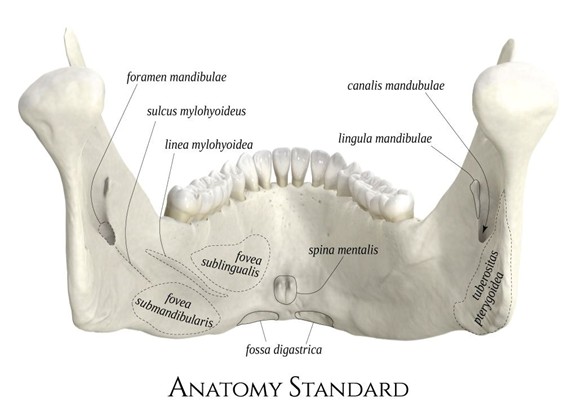
The mandible represents the architectural scaffold of the lower third of the face. Major anatomical landmarks include the gonial angle, the mandibular body, the ramus, and the mentonus. Age-related bone resorption results in a reduction in lateral projection and an alteration in soft tissue support. The concomitant descent of the superficial and deep fat compartments, together with the attenuation of the retaining ligaments, contributes to the loss of clarity of the cervicomandibular contour and definition [1,2,4].

Pathophysiology of Jawline Aging

Mandibular aging is multifactorial. Bony remodeling results in a posterior and inferior shift of the mandibular framework. Collagen and elastin degradation reduces dermal firmness, while soft tissue ptosis attenuates the mandibular margin. These combined mechanisms alter the facial silhouette and contribute to a prematurely aged appearance [3].

Gender-Specific Anatomical Considerations

Sexual dimorphism of the mandible requires individualized treatment planning. Female mandibular anatomy typically features softer angles and curvilinear transitions, requiring subtle refinement. Male mandibles exhibit sharper gonial angles and greater lateral projection; in these cases, treatment aims to strengthen structural definition without compromising overall harmony [9].

Rheological Requirements of Dermal Fillers

Effective mandibular reshaping requires fillers with a high elastic modulus (G'), strong cohesiveness, and excellent tissue integration. These properties allow for shape retention under dynamic stress and ensure adequate support capacity when the product is placed supraperiosteally along the mandibular margin [7,8,10].

Injection Plans and Safety Considerations

Safe practice relies on deep supraperiosteal or sub-SMAS placement, accurate identification of vascular structures such as the facial artery and submental artery, and the controlled use of bolus or linear retrograde injection techniques. Anatomical knowledge is essential to minimize complications and optimize outcomes [6,12].

Clinical Results

When performed correctly, mandibular reshaping restores definition to the mandibular line, improves the tone of the lower third of the face, enhances the cervicomandibular angle, and rebalances facial proportions. The results appear natural and structurally coherent, with no evidence of overcorrection [11,13].

Conclusions

Mandibular reshaping should be considered a structural anti-aging intervention rather than a simple cosmetic procedure. Anatomical precision, appropriate product selection, and strict adherence to safety protocols are essential to achieving predictable and natural-looking results in rejuvenating the lower third of the face.

Bibliography

  1. Mendelson, B., & Wong, C. H. (2012). Changes in the facial skeleton with aging. Aesthetic Plastic Surgery.
  2. Lambros, V. (2007). Observations on periorbital and midface aging. Plastic and Reconstructive Surgery.
  3. Pessa, J. E., & Chen, Y. (2002). Curve analysis of the aging orbital aperture. Plastic and Reconstructive Surgery.
  4. Rohrich, R. J., Pessa, J. E., & Ristow, B. (2008). The youthful cheek and the deep medial fat compartment. PRS.
  5. Ghassemi, A., Prescher, A., & Riediger, D. (2003). Anatomy of the SMAS revisited. PRS.
  6. Beleznay, K., et al. (2015). Avoiding and treating blindness from fillers. Dermatologic Surgery.
  7. Sundaram, H., et al. (2010). Rheological properties of soft tissue fillers. Dermatologic Surgery.
  8. Kablik, J., et al. (2009). Comparative physical properties of hyaluronic acid dermal fillers. Dermatologic Surgery.
  9. Goodman, G. J., & Clague, M. D. (2017). Anatomy of the jawline for injectable treatments. Journal of Cosmetic Dermatology.
  10. Braz, A. V., & Sakuma, T. H. (2017). Biomechanics of hyaluronic acid fillers. Surgical & Cosmetic Dermatology.
  11. de Maio, M., & Rzany, B. (2014). Injectable Fillers in Aesthetic Medicine. Springer.
  12. Cotofana, S., et al. (2016). Anatomy of the facial artery in relation to fillers. PRS.

Moradi, A., et al. (2019). Structural volumization of the lower face. Aesthetic Surgery Journal.”

Read more
    1234