Ksurgery MED Ksurgery MED
  • Who We Are
  • Opera Academy
  • Aesthetic Medicine Products
    • Skinbooster
    • Skinfiller
    • Supernova
    • Technical Care
  • Laboratori
  • Results
    • Opera Results
    • Supernova Results
  • News
  • Contacts
  • Who We Are
  • Opera Academy
  • Aesthetic Medicine Products
    • Skinbooster
    • Skinfiller
    • Supernova
    • Technical Care
  • Laboratori
  • Results
    • Opera Results
    • Supernova Results
  • News
  • Contacts
Ksurgery MED

Linda

18Sea

Dream hands: unique treatments for an unforgettable touch

March 18, 2024 Linda Ksurgery MED, Treatments 89


The often neglected hands are our calling card, a reflection of our social life, and an essential means of expressing affection and relating to others. However, with time, the hands can show the main signs of aging such as wrinkles, dark spots, and loss of elasticity. Fortunately, thanks to advances in aesthetic medicine, you can defeat time and give your hands a young and bright appearance.


But why do hands age?

Advancing age affects all the cells of the human body, but the hands, constantly exposed to external agents (temperature changes, detergents, and mechanical scrubbing…), are particularly susceptible to cellular decay. The skin of the hands is very delicate and over time thins, highlighting blood vessels and bone structure, creating real depressions unexpectedly.


What can be done to rejuvenate the hands?

Hand rejuvenation treatments focus on three main objectives: reducing subcutaneous tissue loss, invigorating skin elasticity, plumping the wrinkles, and eliminating skin spots. These results can be achieved through a combination of exfoliating, regenerating, and restructuring treatments.


Skin exfoliation (peeling) of the hands

An aesthetic medical practice that uses chemicals that intervene on the surface layers of the skin, stimulating the production of new tissue rich in collagen, is chemical peeling, also called skin exfoliation.

Chemical peeling against age spots

Chemical peeling is an effective method against skin spots caused by melanic hyperpigmentation. This treatment offers a rapid depigmenting action, intervening in all stages of melanogenesis, and is particularly effective in reducing skin spots in any season.

Fillers and biostimulation

The fillers, injected into specific areas of the hands, break down the loss of subcutaneous tissue, reducing grooves and restoring firmness and softness of the skin. In addition, they stimulate the production of new collagen and elastin.

Are hand rejuvenation treatments lasting?

Although the treatments offer certain and lasting results, they are not permanent. To maintain the benefits, you need maintenance sessions that will need to be planned with your doctor.


Did you find the article interesting? Share your opinion with a comment on our Instagram page!


Are you a doctor?


GET MORE INFORMATION ABOUT KSURGERY MED


Read more
14February

The role of the face in the attraction: conquer at first sight

February 14, 2024 Linda Ksurgery MED, News and novelties 86


The importance of the face in the choice of partner is a widely discussed topic. Many believe that physical beauty plays a decisive role, while others attach greater importance to factors such as intelligence and success. However, recent studies suggest that the face could be the real protagonist in these relational dynamics.

The face: first impression and attraction

The face is the first thing we notice when we meet a person, and it plays a fundamental role in social interactions. Scientific studies indicate that several aspects of the face affect the degree of perceived attraction:

1. Face symmetry: Many people think that a symmetrical face is more attractive. However, further research suggests that symmetry may not be the only indicator of attractiveness;

2. Mediumness (prototypical): Similarity to most known faces seems to increase the attractiveness of a face;

3. Sexual dimorphism and hormonal markers: Facial characteristics related to sexual dimorphism, influenced by hormonal markers such as testosterone and estrogen, play a significant role in attraction.

Woman and man in visual attraction

Preferences in the face of the partner vary with the hormonal cycle of women; during the fertile phase, they prefer masculine traits for the best genetic quality, while in the other phases, they are more likely to choose less masculine faces, perceived as more reliable for long-term relationships. Men feel more attracted to women with high cheekbones, large eyes, and thin jaws. The attraction, however, not only concerns the shape of the face but also the appearance and health of the skin. This is why skinbooster represents an innovative method in the field of skin rejuvenation, helping to improve the texture of the face in a progressive and durable way.

Skinboosters: a natural beauty supplement

Skinbooster is a biostimulation treatment that uses non-animal hyaluronic acid stabilized, designed to maintain the three-dimensional structure of the skin. This specific type of hyaluronic acid integrates harmoniously with the deeper layers of the skin, bringing firmness to the dermal matrix. The skinbooster cycle is considered a real skin therapy aimed at improving and harmonizing the skin texture.

Lasting benefits and appreciable results

The obvious results of this treatment include a reduction in micro wrinkles and a decrease in the depth of the most marked ones. The skinbooster method is recommended for a wide age range, from 25 years up to 70, and can be applied to the face, neck, décolleté, and body.

Versatile applications and effective combinations

Skinbooster therapy is not limited to a rejuvenating action but can be used in different situations. It can be used as a preventive measure, or in the case of photoaging combined with other treatments such as filler and peeling, thus offering customized results according to the specific needs of each individual. After careful evaluation by the doctor, integrating skinboosters into the beauty routine will not only bring visible improvements to the skin, but represents a significant step to increase self-confidence and attractiveness.

The face plays a fundamental role in the relational and attractive dynamics. The conscious practice of aesthetic medicine is therefore a very precious ally.

Did you find the article interesting? Share your opinion with a comment on our Instagram page!


Are you a doctor?

 

GET MORE INFORMATION ABOUT KSURGERY MED


Read more
14February

The Role of the Face in Attraction: Captivating at First Sight

February 14, 2024 Linda Ksurgery MED, News & novelties 113
 

The importance of facial expressions in choosing a partner is a widely debated topic. Many believe that physical beauty plays a decisive role, while others place greater importance on factors like intelligenceand success .However, recent studies suggest that facial expressions may be the true protagonists in these relationship dynamics.

The face: first impression and attraction

The face is the first thing we notice when we meet someone, and it plays a fundamental role in social interactions. Scientific studies indicate that several facial features influence attractiveness :

1. Facial symmetry: Many people believe that a symmetrical face is more attractive. However, further research suggests that symmetry may not be the only indicator of attractiveness;

2. Averageness (prototypicality): similarity to the majority of known faces appears to increase the attractiveness of a face;

3. Sexual dimorphism and hormonal markers: Facial features related to sexual dimorphism, influenced by hormonal markers such as testosterone and estrogen, play a significant role in attraction.

Woman and man in visual attraction

A woman 's facial preferences vary with her hormonal cycle ; during her fertile phase, she favors masculine features due to the higher genetic quality, while during other phases, she is more likely to choose less masculine faces, perceived as more reliable for long-term relationships. Men are more attracted to women with high cheekbones, large eyes, and a thin jaw. However, attraction isn't just about facial shape, but also about the appearance and health of her skin. This is why skin boosters represent an innovative method in skin rejuvenation, helping to progressively and lastingly improve facial texture.

Skinboosters: a natural beauty supplement

Skinbooster is a biostimulation using stabilized, non-animal hyaluronic acid, designed to maintain the skin's three-dimensional structure. This specific type of hyaluronic acid integrates harmoniously with the deeper layers of the skin, providing firmness to the dermal matrix. The skinbooster cycle is considered a true skin therapy aimed at improving and harmonizing  skin texture.

Long-lasting benefits and noticeable results

The visible results of this treatment include a reduction in fine lines and a reduction in the depth of more pronounced wrinkles. The skinbooster method is recommended for a wide age range, from 25 years old up to 70, and can be applied to the face, neck, décolleté, and body.

Versatile applications and effective combinations

Skinbooster therapy isn't just a rejuvenating treatment; it can be used in a variety of situations. It can be used as a preventative measure, or in cases of photoaging, combined with other treatments like fillers and peels, thus offering personalized results based on each individual's specific needs. After careful evaluation by your doctor, incorporating skinboosters into your beauty routine will not only bring visible improvements to your skin, but also represents a significant step in boosting your self-confidence and attractiveness.

The face plays a fundamental role in relational and attractive dynamics. The conscious practice of aesthetic medicine therefore proves to be a precious ally.


Did you find this article interesting? Share your thoughts with a comment on our Instagram page!


Are you a doctor?
GET MORE INFORMATION ABOUT KSURGERY

Read more
27Dec

Ksurgery MED presents the latest innovations in aesthetic medicine at AMWC 2024

December 27, 2023 Linda Eventi, Ksurgery MED 112

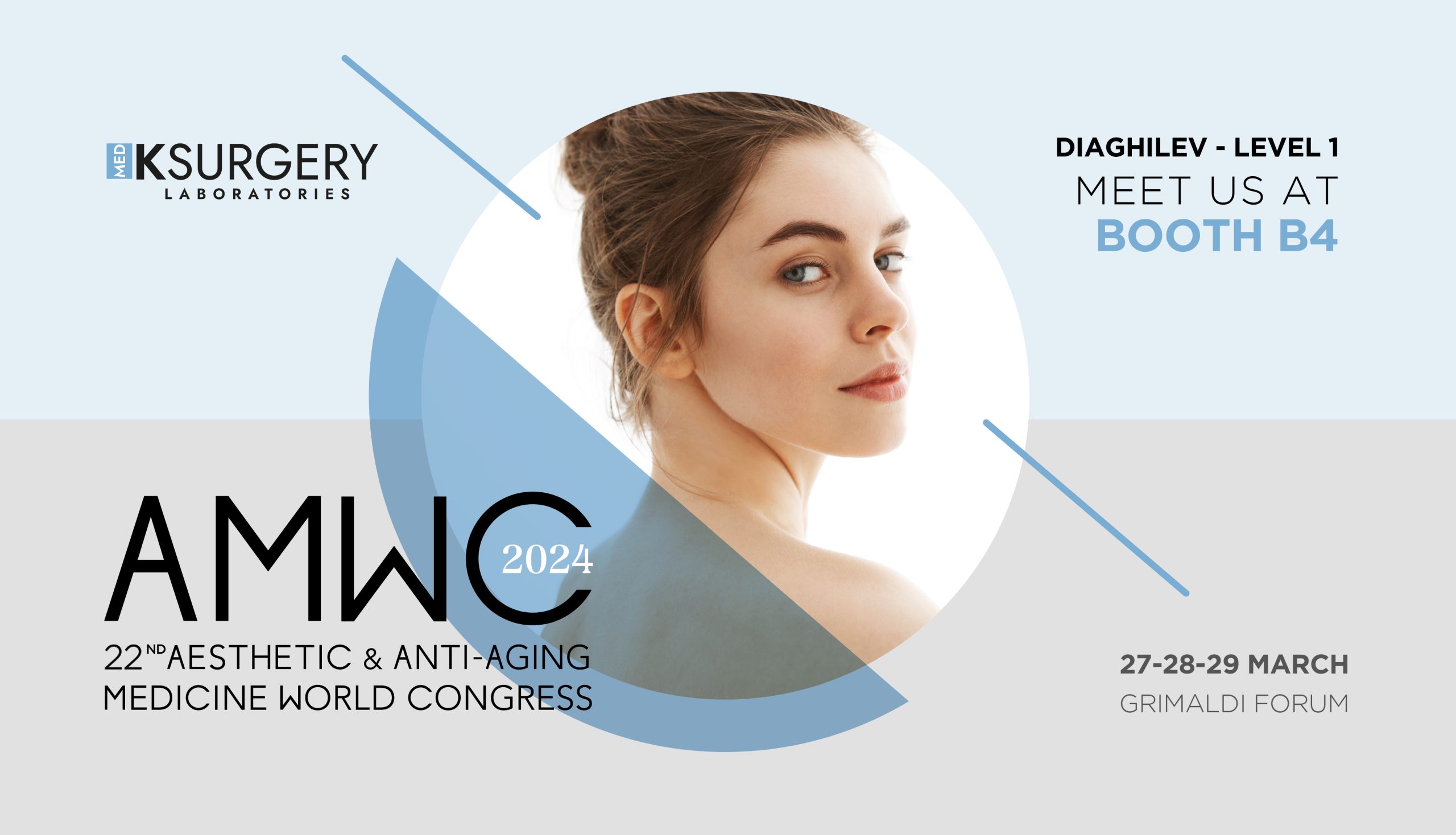
Ksurgery MED, a leading brand in the production of devices and products for aesthetic medicine, will be present atAMWC 2024, the prestigious World Congress of Aesthetic Medicine and Anti-Aging scheduled from 27 to 29 March 2024 at the Grimaldi Forum in Monaco.

The Ksurgery MED stand, located in the Diaghilev Hall – Stand B4, will be a center of innovation where you can immerse yourself in the exclusive collection of fillers, revitalizers, peels and much more, among which stand out:

  • Ksurgery MED Skinfiller Opéra
  • Ksurgery MED Skinbooster Opéra
  • Ksurgery MED TC Plus

In addition to product presentations, the company will offer visitors the unique opportunity to meet their experts. This will be a valuable opportunity to gain in-depth product details and learn more about the company.

AMWC2024 is set to be an unmissable event for aesthetic medicine professionals. With over 300 presentations and workshops in various languages, the congress program offers a detailed look at the latest innovations and trends in aesthetic medicine.

Prepare your extraordinary experience by downloading the AMWC 2024 Show Program and join us on a journey into the frontier of aesthetics and anti-aging!


Are you a visitor?


BOOK YOUR APPOINTMENT


Read more
27Dec

Ksurgery presents the latest in aesthetic medicine at AMWC 2024

December 27, 2023 Linda Aesthetic medicine events, Ksurgery MED 92

Ksurgery, a leading manufacturer of devices and products for aesthetic medicine, will be present at AMWC 2024, the prestigious World Congress of Aesthetic Medicine and Anti-aging scheduled from 27 to 29 March 2024 at the Grimaldi Forum in Monaco.

Ksurgery booth, located in Diaghilev Hall – Booth B4, will be a center of innovation where you can immerse yourself in the exclusive collection of fillers, revitalizing, peeling, and much more, among which stand out:

  • Ksurgery Skinfiller Opéra
  • Ksurgery Skinbooster Opéra
  • Ksurgery TC Plus

In addition to the presentation of products, the company will offer visitors a unique opportunity to meet their experts. It will be a valuable opportunity to get comprehensive product details and get to know the company thoroughly.

The AMWC 2024 is an unmissable event for professionals in the field of aesthetic medicine. With over 300 presentations and workshops in various languages, the congress program offers a detailed look at the latest innovations and trends in the field of aesthetic medicine.

Prepare your extraordinary experience by downloading the AMWC 2024 Traid Fair Program and join us for a journey into the frontier of aesthetics and anti-aging!


Are you a visitor?


BOOK YOUR APPOINTMENT


Read more
30Nov

Clinical photography: documenting and evaluating the results of medical and aesthetic treatments

November 30, 2023 Linda News and novelties 84

Clinical photography is an essential pillar in the documentation and monitoring of aesthetic medicine treatments. The use of pre- and post-treatment photos not only documents the evolution of the patient but serves as a fundamental tool for medical records, medical analysis, and scientific dissemination.

Methodology and precision

To obtain high quality clinical photos, it is important to follow a standardized approach, of which the key points to consider are:

  • Uniform lighting: essential to ensure the faithful reproduction of reality. The ideal solution is to use natural or artificial light without shadows or reflections.
  • Neutral background: A uniform, light, or dark background helps highlight the subject and reduce distractions.
  • Multiple points of view: taking photos from different angles allows you to highlight details and details.
  • Remove makeup and jewelry: these external influences can change the natural appearance of the face and body, affecting the accuracy of the treatment analysis

Recommended Photo Tools

The choice of a smartphone for clinical photography is recommended for its practicality and ability to capture high-quality images. It is crucial to ensure that your smartphone has features such as a camera of at least 12 megapixels with optical stabilization, autofocus, and macro mode.

Photographic Technique

The shooting technique is decisive for obtaining high quality photographs. It is advisable to keep a grid on the image for a proportionate, subject-centered frame. Consistent use of settings and the same pre- and post-treatment equipment ensures consistent and comparable documentation.

Organization of the archive

For image preservation, the use of external hard drives with adequate capacity and a well-organized storage structure is crucial. Creating patient folders with clear and specific data will facilitate consultation and case identification. In addition, for the privacy of patients it is better to avoid cloud storage, preferring physically protected hard drives.

Practical Tips

To optimize the time and ensure satisfactory results is recommended:

  • Prepare the patient: Before taking photos, it is important to prepare the patient, explaining what to do and how to position yourself.
  • Perform a test shot: Before taking the final photos, it is advisable to take a test shot to verify the lighting, composition, and focus.
  • Review photos: After taking photos, it is important to review them carefully to make sure they are of high quality and document the case correctly.

Privacy and clinical photography: rights and responsibilities

Clinical photography is an essential discipline for the documentation and monitoring of medical-aesthetic treatments. However, the spread of sensitive images can raise privacy issues.

Informed consent

The first step to ensuring patients' privacy is to obtain their informed consent, a written document that explains to the patient the purposes of the photograph, how the images are used, and their rights, including revoking consent at any time.

Clinical photographs can be used for various purposes, such as clinical case documentation, scientific dissemination, or promotion of professional activity. It is important to specify the purpose of the photograph in informed consent so that the patient can consciously evaluate whether or not to give consent.

An important resource for aesthetic medicine

Clinical photography is a valuable tool for aesthetic medicine. To achieve optimal results, it is necessary to combine technical precision, appropriate tools, and careful data organization. By following the above tips, you can ensure that clinical images are used appropriately, providing physicians with meaningful information for patient monitoring, medical analysis, and scientific disclosure.


Are you a doctor?


GET MORE INFORMATION ABOUT KSURGERY


Read more
29Nov

Aesthetic medicine among young people: a growing trend

November 29, 2023 Linda News and novelties, Treatments 87


The demand for aesthetic treatments among young people is increasing, both in Italy and in the rest of the world. This trend is due to several factors, including the increasing attention to social media, which exposes young people to images of idealized beauty, and the increase in attention to psychophysical well-being.

According to official estimates released by Sicpre (Italian Society of Reconstructive-Regenerative and Aesthetic Plastic Surgery), medical and cosmetic surgery treatments have increased by at least 20% in the last year (+67% compared to 2019 and +130% compared to 2020).

A study carried out in 2018 [1] found that 73% of Italian adolescents said they had used aesthetic treatments to correct the most common defects, such as acne, stretch marks, and scars. But there are also increasing requests for treatments to improve the appearance of the face, such as lip fillers and the rhino.


Ethical concerns

At a time when personal image is fundamental and has taken on a central role in everyday life, leading young people to seek solutions to improve it, this increased demand for aesthetic treatments among adolescents raises some ethical concerns, requiring the aesthetic medicine professional to be carefully and consciously assessed.


Psychological and emotional evaluation

The psychological well-being of young people is a key element. It is necessary to thoroughly assess the emotional and psychological state of patients, as well as their motivations.

An effective tool for this purpose is the DAS-59 (Derriford Appearance Scale)[2], which evaluates psychological difficulties and discomfort related to appearance, which consists in subjecting the patient to adequate counseling, divided into several sessions and involving, in some specific cases, even family members. This multidisciplinary approach is necessary considering the complex issues of risk-benefit assessment and decision-making of young patients.


The importance of ethics

From an ethical point of view, aesthetic interventions should not be overly invasive and distortive. Aesthetic medicine treatments should aim to improve the lives of patients, reducing the discomfort related to appearance and improving their psychological balance, favoring social, affective, and work integration. 


Psychological and psychopathological aspects

Reflection on psychophysical well-being is of primary importance, especially in an age when appearance is often emphasized in social media. Aesthetic psychological disorders are increasingly common among young people, with a significant impact on their self-esteem and well-being. Therefore, the assessment of the patient's for beauty treatments is essential to ensure their peaceful social interaction.


Conclusion

In conclusion, while the relationship between young people and aesthetic medicine is changing significantly, aesthetic medicine professionals must approach it in a multidisciplinary manner, carefully assessing the motivations of patients and orienting themselves to improve their psychophysical well-being, rather than pursuing unrealistic beauty ideals.


Are you a doctor?


GET MORE INFORMATION ABOUT KSURGERY MED


Read more
29Nov

Clinical photography: documenting and evaluating the results of medical-aesthetic treatments

November 29, 2023 Linda Ksurgery MED, News and Updates 116
 

Clinical photography is an essential pillar in documenting and monitoring aesthetic medicine treatments. The use of pre- and post-treatment photos not only documents the patient's progress but also serves as a fundamental tool for medical records, medical analysis, and scientific dissemination.

Methodology and Precision

To obtain high-quality clinical photos it is important to follow a standardized approach, the key points of which to consider are:

  • Uniform lighting: essential to ensure a faithful reproduction of reality. Ideally, use uniform natural or artificial light, without shadows or reflections.
  • Neutral background: A solid background, light or dark, helps highlight your subject and reduce distractions.
  • Multiple viewpoints: Taking photos from different angles allows you to highlight details and particulars.
  • Remove makeup and jewelry: These external influences can alter the natural appearance of the face and body, compromising the accuracy of the treatment analysis.

Recommended Photographic Tools

Choosing a smartphone for clinical photography is recommended for its convenience and ability to capture high-quality images. It's essential to ensure the smartphone has features such as a camera of at least 12 megapixels with optical image stabilization, autofocus, and macro mode.

Photographic Technique

Shooting technique is crucial to achieving high-quality photographs. It's advisable to maintain a grid over the image for a proportionate and subject-centered framing. Consistent use of settings and the same equipment for pre- and post-processing ensures consistent and comparable documentation.

Archive organization

For image storage, using external hard drives with adequate capacity and a storage structure is essential. Creating patient folders with clear and specific data will facilitate case consultation and identification. Furthermore, for privacy , it's best to avoid cloud storage and instead use physically protected hard drives.

Practical tips

To optimize time and ensure satisfactory results, it is recommended:

  • Preparing the patient: Before taking photos, it is important to prepare the patient, explaining what to do and how to position themselves.
  • Take a test shot: Before taking your final photos, it's a good idea to take a test shot to check the lighting, composition, and focus.
  • Reviewing Photos: After taking photos, it is important to review them carefully to ensure they are high quality and properly document the case.

Privacy and Clinical Photography: Rights and Responsibilities

Clinical photography is an essential discipline for documenting and monitoring medical-aesthetic treatments. However, the dissemination of sensitive images may raise privacy concerns.

Informed consent

The first step in ensuring patient privacy is obtaining informed consent, a written document that explains to the patient the purposes of the photography, how the images will be used, and their rights, including the right to withdraw consent at any time.

Clinical photographs can be used for various purposes, such as documenting clinical cases, disseminating scientific information, or promoting professional practice. It's important to specify the purpose of the photography in the informed consent form, so that the patient can make an informed decision about whether or not to give consent.

An important resource for aesthetic medicine

Clinical photography is a valuable tool for aesthetic medicine. To achieve optimal results, it requires a combination of technical precision, appropriate tools, and careful data organization. Following the tips above ensures that clinical images are used appropriately, providing physicians with valuable information for patient monitoring,medical analysis , and scientific dissemination.


Are you a doctor?


GET MORE INFORMATION ABOUT KSURGERY


Read more
06Nov

Aesthetic medicine among young people: a growing trend

November 6, 2023 Linda Ksurgery MED, News and Updates 113

The demand for aesthetic treatments among young people is increasing, both in Italy and around the world. This trend is due to several factors, including the growing attention paid to social media, which exposes young people to images of idealized beauty, and the increased focus on physical and mental well-being.

According to official estimates released by Sicpre (Italian Society of Reconstructive-Regenerative and Aesthetic Plastic Surgery), aesthetic medicine and surgery treatments have increased by at least 20% in the last year (+67% compared to 2019 and +130% compared to 2020).

A study conducted in 2018 [1] states that as many as 73% of Italian adolescents declared that they had used aesthetic treatments to correct the most common defects, such as acne , stretch marks and scars . But requests for treatments to improve the appearance of the face, such as lip fillers and rhinofillers , are also increasing .

Ethical concerns

In an era where personal image is fundamental and has assumed a central role in daily life, leading young people to seek solutions to improve it, this increased demand for aesthetic treatments among adolescents raises certain ethical concerns, requiring aesthetic medicine professionals to make a careful and informed assessment.

Psychological and emotional assessment

The psychological well-being of young people is key. Patients' emotional and psychological state, as well as their motivations.

An effective tool for this purpose is the DAS-59 (Derriford Appearance Scale)[2], which evaluates psychological difficulties and discomfort related to appearance, which consists of subjecting the patient to adequate counseling, divided into several sessions and involving, in some specific cases, also the family members. This multidisciplinary approach is necessary considering the complex issues related to the risk-benefit assessment and the decision-making process of young patients.

The importance of ethics

From an ethical standpoint, aesthetic procedures should not be excessively invasive and distorting. Aesthetic medicine treatments should aim to improve patients' livesby reducing discomfort related to their appearance and improving their psychological balance, promoting social, emotional, and professional integration. 

Psychological and psychopathological aspects

Reflecting on physical and mental well-being is of primary importance, especially in an era where appearance is often emphasized on social media. psychological disorders are increasingly common among young people, significantly impacting their self-esteem and well-being. Therefore, assessing apatient's suitability for aesthetic treatments is essential to ensure their peaceful social interaction.

Conclusions

In conclusion, while the relationship between young people and aesthetic medicine is changing significantly, it is essential that aesthetic medicine professionals approach it in a multidisciplinary manner, carefully evaluating patients' motivations and focusing on improving their psychophysical well-being, rather than pursuing unrealistic beauty ideals.

Are you a doctor?

GET MORE INFORMATION ABOUT KSURGERY
Read more
  • 123