Ksurgery MED Ksurgery MED
  • Chi Siamo
  • Opéra Academy
  • Prodotti Medicina Estetica
    • Skinbooster
    • Skinfiller
    • Supernova
    • Technical Care
  • Laboratori
  • Risultati
    • Risultati Opéra
    • Risultati Supernova
  • News
  • Contatti
  • Chi Siamo
  • Opéra Academy
  • Prodotti Medicina Estetica
    • Skinbooster
    • Skinfiller
    • Supernova
    • Technical Care
  • Laboratori
  • Risultati
    • Risultati Opéra
    • Risultati Supernova
  • News
  • Contatti
Ksurgery MED

Linda

18Mar

Dream hands: unique treatments for an unforgettable touch

18 Marzo 2024 Linda Ksurgery MED, Treatments 89


The often neglected hands are our calling card, a reflection of our social life, and an essential means of expressing affection and relating to others. However, with time, the hands can show the main signs of aging such as wrinkles, dark spots, and loss of elasticity. Fortunately, thanks to advances in aesthetic medicine, you can defeat time and give your hands a young and bright appearance.


But why do hands age?

Advancing age affects all the cells of the human body, but the hands, constantly exposed to external agents (temperature changes, detergents, and mechanical scrubbing…), are particularly susceptible to cellular decay. The skin of the hands is very delicate and over time thins, highlighting blood vessels and bone structure, creating real depressions unsightly.


What can be done to rejuvenate the hands?

Hand rejuvenation treatments focus on three main objectives: reducing subcutaneous tissue loss, invigorating skin elasticity, plumping the wrinkles, and eliminating skin spots. These results can be achieved through a combination of exfoliating, regenerating, and restructuring treatments.


Skin exfoliation (peeling) of the hands

An aesthetic medical practice that uses chemicals that intervene on the surface layers of the skin, stimulating the production of new tissue rich in collagen, is chemical peeling, also called skin exfoliation.

Chemical peeling against age spots

Chemical peeling is an effective method against skin spots caused by melanic hyperpigmentation. This treatment offers a rapid depigmenting action, intervening in all stages of melanogenesis, and is particularly effective in reducing skin spots in any season.

Filler and biostimulation

The fillers, injected into specific areas of the hands, break down the loss of subcutaneous tissue, reducing grooves and restoring firmness and softness of the skin. In addition, they stimulate the production of new collagen and elastin.

Are hand rejuvenation treatments lasting?

Although the treatments offer certain and lasting results, they are not permanent. To maintain the benefits, you need maintenance sessions that will need to be planned with your doctor.


Did you find the article interesting? Share your opinion with a comment on our Instagram page!


Are you a doctor?


GET MORE INFORMATION ABOUT KSURGERY MED


Read more
14Feb

The role of the face in the attraction: conquer at first sight

14 Febbraio 2024 Linda Ksurgery MED, News and novelties 86


The importance of the face in the choice of partner is a widely discussed topic. Many believe that physical beauty plays a decisive role, while others attach greater importance to factors such as intelligence and success. However, recent studies suggest that the face could be the real protagonist in these relational dynamics.

The face: first impression and attraction

The face is the first thing we notice when we meet a person, and it plays a fundamental role in social interactions. Scientific studies indicate that several aspects of the face affect the degree of perceived attraction:

1. Face symmetry: Many people think that a symmetrical face is more attractive. However, further research suggests that symmetry may not be the only indicator of attractiveness;

2. Mediety (prototypical): Similarity to most known faces seems to increase the attractiveness of a face;

3. Sexual dimorphism and hormonal markers: Facial characteristics related to sexual dimorphism, influenced by hormonal markers such as testosterone and estrogen, play a significant role in attraction.

Woman and man in visual attraction

Preferences in the face of the partner vary with the hormonal cycle of women; during the fertile phase, they prefer masculine traits for the best genetic quality, while in the other phases, they are more likely to choose less masculine faces, perceived as more reliable for long-term relationships. Men feel more attracted to women with high cheekbones, large eyes, and thin jaws. The attraction, however, not only concerns the shape of the face but also the appearance and health of the skin. This is why skinbooster represents an innovative method in the field of skin rejuvenation, helping to improve the texture of the face in a progressive and durable.

Skinboosters: a natural beauty supplement

Skinbooster is a biostimulation treatment that uses non-animal hyaluronic acid stabilized, designed to maintain the three-dimensional structure of the skin. This specific type of hyaluronic acid integrates harmoniously with the deeper layers of the skin, bringing firmness to the dermal matrix. The skinbooster cycle is considered a real skin therapy aimed at improving and harmonizing the skin texture.

Lasting benefits and appreciable results

The obvious results of this treatment include a reduction in micro wrinkles and a decrease in the depth of the most marked ones. The skinbooster method is recommended for a wide age range, from 25 years up to 70, and can be applied to the face, neck, décolleté, and body.

Versatile applications and effective combinations

Skinbooster therapy is not limited to a rejuvenating action but can be used in different situations. It can be used as a preventive measure, or in the case of photoaging combined with other treatments such as filler and peeling, thus offering customized results according to the specific needs of each individual. After careful evaluation by the doctor, integrating skinboosters into the beauty routine will not only bring visible improvements to the skin, but represents a significant step to increase self-confidence and attractiveness.

The face plays a fundamental role in the relational and attractive dynamics. The conscious practice of aesthetic medicine is therefore a very precious ally.

Did you find the article interesting? Share your opinion with a comment on our Instagram page!


Are you a doctor?

 

GET MORE INFORMATION ABOUT KSURGERY MED


Read more
14Feb

Il ruolo del viso nell’attrazione: conquistare a prima vista

14 Febbraio 2024 Linda Ksurgery MED, News & novelties 113
 

L’importanza del viso nella scelta del partner è un tema ampiamente discusso. Molti credono che la bellezza fisica giochi un ruolo determinante, mentre altri attribuiscono maggiore importanza a fattori come l’intelligenza e il successo. Tuttavia, studi recenti suggeriscono che il viso potrebbe essere il vero protagonista in queste dinamiche relazionali.

Il volto: prima impressione e attrazione

Il volto è la prima cosa che notiamo quando incontriamo una persona, e riveste un ruolo fondamentale nelle interazioni sociali. Studi scientifici indicano che ci sono diversi aspetti del viso che influenzano il grado di attrazione percepito:

1. Simmetria del volto: molti ritengono che un volto simmetrico sia maggiormente attraente. Tuttavia, ulteriori ricerche suggeriscono che la simmetria potrebbe non essere il solo indicatore di attrattività;

2. Medietà (prototipicità): la somiglianza alla maggioranza dei volti conosciuti sembra aumentare l’attrattività di un volto;

3. Dimorfismo sessuale e marker ormonali: le caratteristiche del volto legate al dimorfismo sessuale, influenzate da marker ormonali come il testosterone ed estrogeni, giocano un ruolo significativo nell’attrazione.

Donna e uomo nell’attrazione visiva

Le preferenze nel volto del partner variano con il ciclo ormonale delle donne; durante la fase fertile, prediligono tratti mascolini per la migliore qualità genetica, mentre nelle altre fasi sono più propense a scegliere volti meno mascolini, percepiti come più affidabili per relazioni a lungo termine. Gli uomini si sentono più attratti da donne con zigomi alti, occhi grandi e mascella sottile. L’attrazione però non riguarda solo la conformazione del viso, ma anche l’aspetto e la salute della pelle. Ecco perchè gli skinbooster rappresentano una metodica innovativa nel campo del ringiovanimento cutaneo, contribuendo a migliorare la texture del viso in modo progressivo e duraturo.

Gli skinbooster: un’integrazione per la bellezza naturale

Lo skinbooster è un trattamento di biostimolazione che utilizza acido ialuronico non animale stabilizzato, progettato per mantenere la struttura tridimensionale della pelle. Questo specifico tipo di acido ialuronico si integra armoniosamente con gli strati più profondi della pelle, apportando turgore alla matrice dermica. Il ciclo di skinbooster è considerato una vera e propria skin therapy finalizzata a migliorare e armonizzare  la texture della pelle.

Benefici duraturi e risultati apprezzabili

I risultati evidenti di questo trattamento includono una riduzione delle micro rughe e una diminuzione della profondità di quelle più marcate. La metodica skinbooster è consigliata per un’ampia fascia di età, dai 25 anni in su fino ai 70, e può essere applicata su viso, collo, décolleté e corpo.

Applicazioni versatili e combinazioni efficaci

La skinbooster therapy non si limita solo a un’azione di ringiovanimento, ma può essere utilizzata in diverse situazioni. Può essere impiegata come misura preventiva, o in caso photoaging abbinata ad altri trattamenti come filler e peeling offrendo così risultati personalizzate in base alle esigenze specifiche di ogni individuo. Dopo un’attenta valutazione da parte del medico, l’integrazione degli skinbooster nella routine di bellezza non solo apporterà miglioramenti visibili alla pelle, ma rappresenta un passo significativo per accrescere fiducia in se stessi ed attrattività.

Il volto riveste un ruolo fondamentale nelle dinamiche relazionali e attrattive. La pratica consapevole della medicina estetica si configura perciò come un preziosissimo alleato.


L’articolo ti è sembrato interessante? Condividi la tua opinione con un commento sulla nostra pagina Instagram!


Sei un medico?

RICEVI MAGGIORI INFORMAZIONI SU KSURGERY

Read more
27Dic

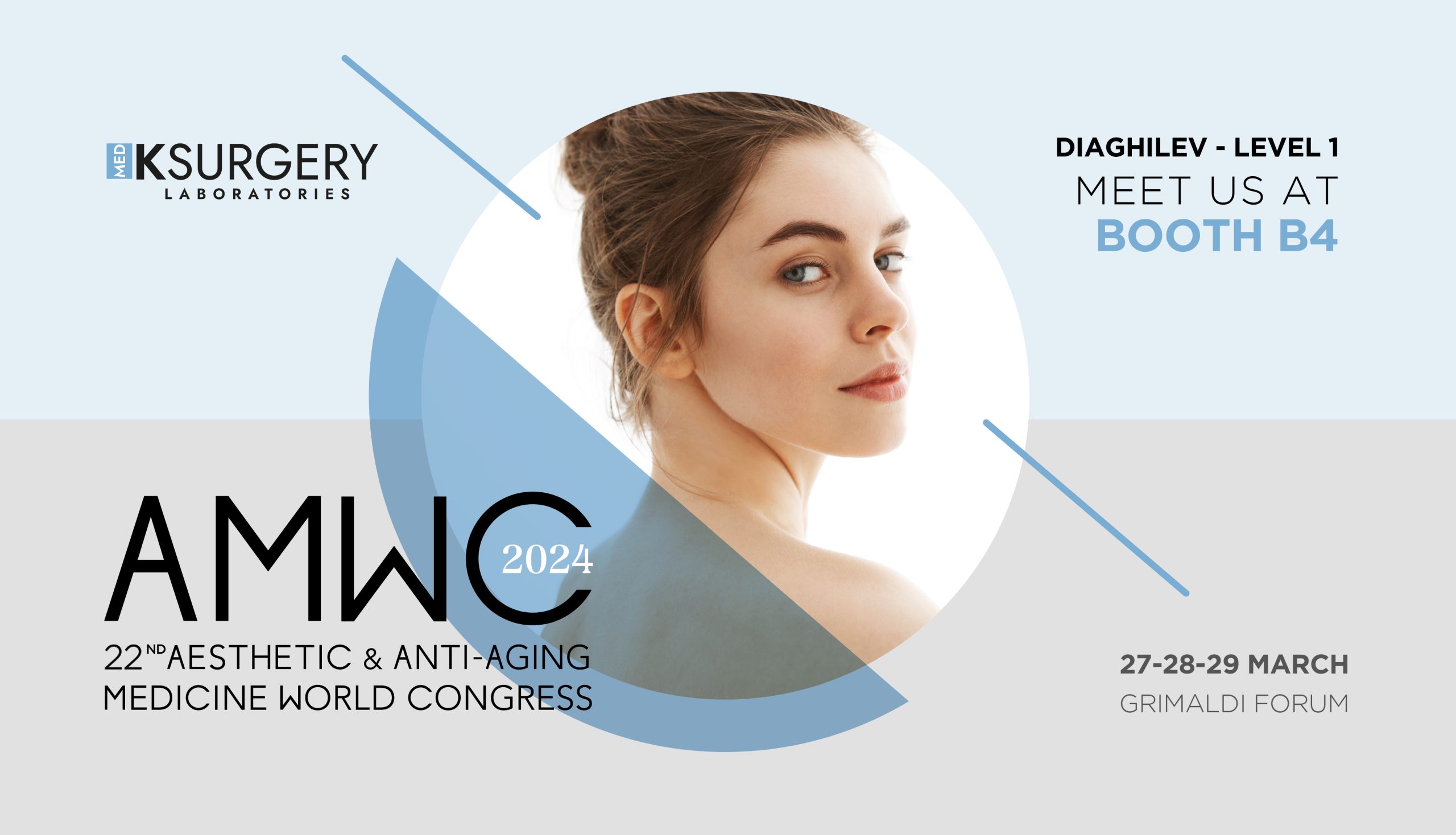
Ksurgery MED presenta le ultime novità in medicina estetica all’AMWC 2024

27 Dicembre 2023 Linda Eventi, Ksurgery MED 112

Ksurgery MED, brand leader nella produzione di dispositivi e prodotti per la medicina estetica, sarà presente all’AMWC 2024, il prestigioso Congresso Mondiale di Medicina Estetica e Anti-Aging in programma dal 27 al 29 marzo 2024 presso il Grimaldi Forum di Monaco.

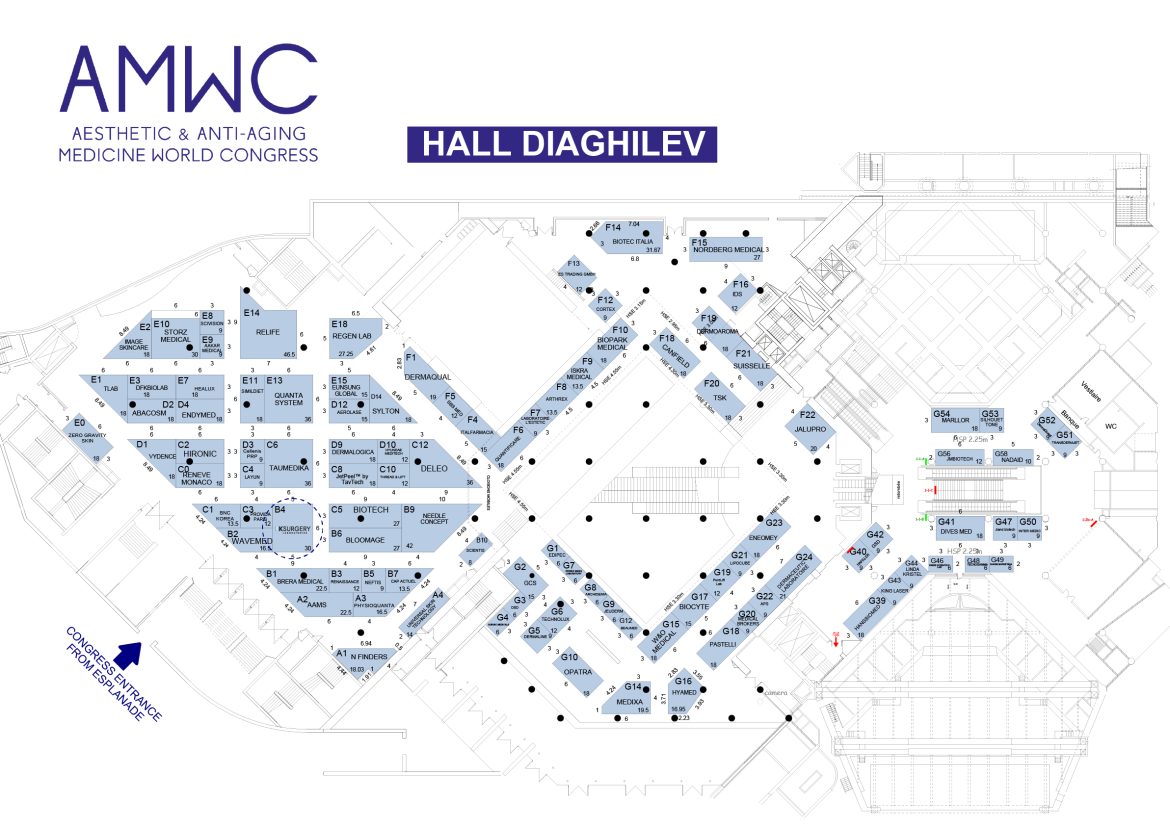
Lo stand Ksurgery MED, situato nel Diaghilev Hall – Stand B4, sarà un centro di innovazione dove potrai immergerti nell’esclusiva collezione di filler, rivitalizzanti, peeling e molto altro, tra cui spiccano:

  • Ksurgery MED Skinfiller Opéra
  • Ksurgery MED Skinbooster Opéra
  • Ksurgery MED TC Plus

Oltre alla presentazione dei prodotti, l’azienda offrirà ai visitatori l’opportunità unica di incontrare i propri esperti. Sarà un’occasione preziosa per ottenere dettagli esaustivi sui prodotti e conoscere a fondo l’azienda.

L’AMWC 2024 si rivela un evento imperdibile per i professionisti del settore della medicina estetica. Con oltre 300 presentazioni e workshop in varie lingue, il programma del congresso offre uno sguardo dettagliato sulle più recenti innovazioni e tendenze nel campo della medicina estetica.

Prepara la tua esperienza straordinaria scaricando il Programma della Fiera AMWC 2024 e unisciti a noi per un viaggio nella frontiera dell’estetica e dell’anti-invecchiamento!


Sei un visitatore?


PRENOTA IL TUO APPUNTAMENTO


Read more
27Dic

Ksurgery presents the latest in aesthetic medicine at AMWC 2024

27 Dicembre 2023 Linda Aesthetic medicine events, Ksurgery MED 92

Ksurgery, a leading manufacturer of devices and products for aesthetic medicine, will be present at AMWC 2024, the prestigious World Congress of Aesthetic Medicine and Anti-aging scheduled from 27 to 29 March 2024 at the Grimaldi Forum in Monaco.

Ksurgery booth, located in Diaghilev Hall – Booth B4, will be a center of innovation where you can immerse yourself in the exclusive collection of fillers, revitalizing, peeling, and much more, among which stand out:

  • Ksurgery Skinfiller Opéra
  • Ksurgery Skinbooster Opéra
  • Ksurgery TC Plus

In addition to the presentation of products, the company will offer visitors a unique opportunity to meet their experts. It will be a valuable opportunity to get comprehensive product details and get to know the company thoroughly.

The AMWC 2024 is an unmissable event for professionals in the field of aesthetic medicine. With over 300 presentations and workshops in various languages, the congress program offers a detailed look at the latest innovations and trends in the field of aesthetic medicine.

Prepare your extraordinary experience by downloading the AMWC 2024 Traid Fair Program and join us for a journey into the frontier of aesthetics and anti-aging!


Are you a visitor?


BOOK YOUR APPOINTMENT


Read more
30Nov

Clinical photography: documenting and evaluating the results of medical and aesthetic treatments

30 Novembre 2023 Linda News and novelties 84

Clinical photography is an essential pillar in the documentation and monitoring of aesthetic medicine treatments. The use of pre and post-treatment photos not only documents the evolution of the patient but serves as a fundamental tool for medical records, medical analysis, and scientific dissemination.

Methodology and precision

To obtain high quality clinical photos, it is important to follow a standardized approach, of which the key points to consider are:

  • Uniform lighting: essential to ensure the faithful reproduction of reality. The ideal solution is to use natural or artificial light without shadows or reflections.
  • Neutral background: A uniform, light, or dark background helps highlight the subject and reduce distractions.
  • Multiple points of view: taking photos from different angles allows you to highlight details and details.
  • Remove makeup and jewelry: these external influences can change the natural appearance of the face and body, affecting the accuracy of the treatment analysis

Recommended Photo Tools

The choice of a smartphone for clinical photography is recommended for its practicality and ability to capture high-quality images. It is crucial to ensure that your smartphone has features such as a camera of at least 12 megapixels with optical stabilization, autofocus, and macro mode.

Technique Photographic

The shooting technique is decisive for obtaining high quality photographs. It is advisable to keep a grid on the image for a proportionate, subject-centered frame. Consistent use of settings and the same pre- and post-treatment equipment ensures consistent and comparable documentation.

Organization of the archive

For image preservation, the use of external hard drives with adequate capacity and a well-organized storage structure is crucial. Creating patient folders with clear and specific data will facilitate consultation and case identification. In addition, for the privacy of patients it is better to avoid cloud storage, preferring physically protected hard drives.

Practical Tips

To optimize the time and ensure satisfactory results is recommended:

  • Prepare the patient: Before taking photos, it is important to prepare the patient, explaining what to do and how to position yourself.
  • Perform a test shot: Before taking the final photos, it is advisable to take a test shot to verify the lighting, composition, and focus.
  • Review photos: After taking photos, it is important to review them carefully to make sure they are of high quality and document the case correctly.

Privacy and clinical photography: rights and responsibilities

Clinical photography is an essential discipline for the documentation and monitoring of medical-aesthetic treatments. However, the spread of sensitive images can raise privacy issues.

Informed consent

The first step to ensuring patients’ privacy is to obtain their informed consent, a written document that explains to the patient the purposes of the photograph, how the images are used, and their rights, including revoking consent at any time.

Clinical photographs can be used for various purposes, such as clinical case documentation, scientific dissemination, or promotion of professional activity. It is important to specify the purpose of the photograph in informed consent so that the patient can consciously evaluate whether or not to give consent.

An important resource for aesthetic medicine

Clinical photography is a valuable tool for aesthetic medicine. To achieve optimal results, it is necessary to combine technical precision, appropriate tools, and careful data organization. By following the above tips, you can ensure that clinical images are used appropriately, providing physicians with meaningful information for patient monitoring, medical analysis, and scientific disclosure.


Are you a doctor?


GET MORE INFORMATION ABOUT KSURGERY


Read more
29Nov

Aesthetic medicine among young people: a growing trend

29 Novembre 2023 Linda News and novelties, Treatments 87


The demand for aesthetic treatments among young people is increasing, both in Italy and in the rest of the world. This trend is due to several factors, including the increasing attention to social media, which exposes young people to images of idealized beauty, and the increase in attention to psychophysical well-being.

According to official estimates released by Sicpre (Italian Society of Reconstructive-Regenerative and Aesthetic Plastic Surgery), medical and cosmetic surgery treatments have increased by at least 20% in the last year (+67% compared to 2019 and +130% compared to 2020).

A study carried out in 2018 [1] found that 73% of Italian adolescents said they had used aesthetic treatments to correct the most common defects, such as acne, stretch marks, and scars. But there are also increasing requests for treatments to improve the appearance of the face, such as lip fillers and the rhino.


Ethical concerns

At a time when personal image is fundamental and has taken on a central role in everyday life, leading young people to seek solutions to improve it, this increased demand for aesthetic treatments among adolescents raises some ethical concerns, requiring the aesthetic medicine professional to be carefully and consciously assessed.


Psychological and emotional evaluation

The psychological well-being of young people is a key element. It is necessary to thoroughly assess the emotional and psychological state of patients, as well as their motivations.

An effective tool for this purpose is the DAS-59 (Derriford Appearance Scale)[2], which evaluates psychological difficulties and discomfort related to appearance, which consists in subjecting the patient to adequate counseling, divided into several sessions and involving, in some specific cases, even family members. This multidisciplinary approach is necessary considering the complex issues of risk-benefit assessment and decision-making of young patients.


The importance of ethics

From an ethical point of view, aesthetic interventions should not be overly invasive and distortive. Aesthetic medicine treatments should aim to improve the lives of patients, reducing the discomfort related to appearance and improving their psychological balance, favoring social, affective, and work integration. 


Psychological and psychopathological aspects

Reflection on psychophysical well-being is of primary importance, especially in an age when appearance is often emphasized in social media. Aesthetic psychological disorders are increasingly common among young people, with a significant impact on their self-esteem and well-being. Therefore, the assessment of the patient’s for beauty treatments is essential to ensure their peaceful social interaction.


Conclusion

In conclusion, while the relationship between young people and aesthetic medicine is changing significantly, aesthetic medicine professionals must approach it in a multidisciplinary manner, carefully assessing the motivations of patients and orienting themselves to improve their psychophysical well-being, rather than pursuing unrealistic beauty ideals.


Are you a doctor?


GET MORE INFORMATION ABOUT KSURGERY MED


Read more
29Nov

La fotografia clinica: documentare e valutare i risultati dei trattamenti medico-estetici

29 Novembre 2023 Linda Ksurgery MED, News e novità 116
 

La fotografia clinica rappresenta un pilastro essenziale nella documentazione e nel monitoraggio dei trattamenti di medicina estetica. L’uso di foto pre e post-trattamento non solo documenta l’evoluzione del paziente ma serve come strumento fondamentale per la cartella clinica, l’analisi medica e la divulgazione scientifica.

Metodologia e Precisione

Per ottenere foto cliniche di alta qualità è importante seguire un approccio standardizzato, di cui i punti chiave da considerare sono:

  • Illuminazione uniforme: fondamentale per garantire la riproduzione fedele della realtà. L’ideale è utilizzare una luce naturale, o artificiale uniforme, senza ombre o riflessi.
  • Fondo neutro: uno sfondo uniforme, chiaro o scuro, aiuta a mettere in evidenza il soggetto e a ridurre le distrazioni.
  • Punti di vista multipli: scattare foto da diverse angolazioni permette di evidenziare dettagli e particolari.
  • Rimuovere trucco e gioielli: queste influenze esterne possono modificare l’aspetto naturale del viso e del corpo, compromettendo la precisione dell’analisi del trattamento.

Strumenti Fotografici Consigliati

La scelta dello smartphone per la fotografia clinica è consigliata per la sua praticità e capacità di catturare immagini di alta qualità. È fondamentale assicurarsi che lo smartphone disponga di caratteristiche come una fotocamera di almeno 12 megapixel con stabilizzazione ottica, autofocus e modalità macro.

Tecnica Fotografica

La tecnica di scatto è decisiva per ottenere fotografie di alta qualità. È consigliabile mantenere una griglia sull’immagine per un’inquadratura proporzionata e centrata sul soggetto. L’uso coerente delle impostazioni e delle stesse apparecchiature per pre e post-trattamento assicura una documentazione uniforme e confrontabile.

Organizzazione dell’archivio

Per la conservazione delle immagini, l’uso di dischi rigidi esterni con capacità adeguata e una struttura di archiviazione ben organizzata è fondamentale. La creazione di cartelle per paziente con dati chiari e specifici faciliterà la consultazione e l’identificazione dei casi. Inoltre, per la privacy dei pazienti è meglio evitare l’archiviazione su cloud, preferendo dischi rigidi protetti fisicamente.

Suggerimenti pratici

Per ottimizzare i tempi e garantire risultati soddisfacenti è consigliato:

  • Preparare il paziente: prima di scattare le foto, è importante preparare il paziente, spiegandogli cosa fare e come posizionarsi.
  • Eseguire uno scatto di prova: prima di scattare le foto definitive, è consigliabile eseguire uno scatto di prova per verificare l’illuminazione, la composizione e la messa a fuoco.
  • Rivedere le foto: dopo aver scattato le foto, è importante rivederle attentamente per assicurarsi che siano di alta qualità e che documentino correttamente il caso.

Privacy e fotografia clinica: diritti e responsabilità

La fotografia clinica è una disciplina essenziale per la documentazione e il monitoraggio dei trattamenti medico-estetici. Tuttavia, la diffusione di immagini sensibili può sollevare questioni di privacy.

Il consenso informato

Il primo passo per garantire la privacy dei pazienti è ottenere il loro consenso informato, un documento scritto che spiega al paziente le finalità della fotografia, le modalità di utilizzo delle immagini e i suoi diritti, tra cui quello di revocare il consenso in qualsiasi momento.

Le fotografie cliniche possono essere utilizzate per diverse finalità, come la documentazione del caso clinico, la divulgazione scientifica o la promozione dell’attività professionale. È importante specificare le finalità della fotografia nel consenso informato, in modo che il paziente possa valutare consapevolmente se dare o meno il proprio consenso.

Un’importante risorsa per la medicina estetica

La fotografia clinica è uno strumento prezioso per la medicina estetica. Per ottenere risultati ottimali, è necessario combinare precisione tecnica, strumenti adeguati e un’attenta organizzazione dei dati. Seguendo i suggerimenti sopra riportati è possibile garantire che le immagini cliniche siano utilizzate in modo appropriato, fornendo ai medici informazioni significative per il monitoraggio dei pazienti, l’analisi medica e la divulgazione scientifica.


Sei un medico?


RICEVI MAGGIORI INFORMAZIONI SU KSURGERY


Read more
06Nov

La medicina estetica tra i giovani: un trend in crescita

6 Novembre 2023 Linda Ksurgery MED, News e novità 113

La richiesta di trattamenti estetici tra i giovani è in aumento, sia in Italia che nel resto del mondo. Questo trend è dovuto a diversi fattori, tra cui la crescente attenzione ai social media, che espongono i giovani ad immagini di bellezza idealizzata, e l’aumento dell’attenzione al benessere psicofisico.

Secondo le stime ufficiali, diffuse da Sicpre (Società italiana di chirurgia plastica ricostruttivo-rigenerativa ed estetica), i trattamenti di medicina e chirurgia estetica hanno avuto un incremento di almeno il 20% nell’ultimo anno (+67% rispetto al 2019 e +130% rispetto al 2020).

Uno studio condotto nel 2018 [1], dichiara che ben il 73% delle adolescenti italiane ha dichiarato di aver utilizzato trattamenti estetici per correggere i difetti più comuni, come l’acne, le smagliature e le cicatrici. Ma sono in aumento anche le richieste di trattamenti per migliorare l’aspetto del viso, come il filler delle labbra ed il rinofiller.

Le preoccupazioni etiche

In un’epoca in cui l’immagine personale è fondamentale ed ha assunto un ruolo centrale nella vita quotidiana, portando i giovani a cercare soluzioni per migliorarla, questo aumento della domanda di trattamenti estetici tra gli adolescenti solleva alcune preoccupazioni etiche, richiedendo al professionista della medicina estetica una valutazione attenta e consapevole.

Valutazione psicologica ed emotiva

Il benessere psicologico dei giovani è un elemento chiave. Occorre valutare a fondo lo stato emotivo e psicologico dei pazienti, nonché le loro motivazioni.

Uno strumento efficace per questo scopo è la DAS-59 (Derriford Appearance Scale)[2], che valuta le difficoltà psicologiche e il disagio legati all’aspetto, che consiste nel sottoporre il paziente ad un’adeguata consulenza, suddivisa in diverse sessioni e coinvolgendo, in alcuni specifici casi, anche i familiari. Questo approccio multidisciplinare è necessario considerando le complesse questioni legate alla valutazione del rapporto rischio-beneficio e del processo decisionale dei pazienti giovani.

L’importanza dell’etica

Da un punto di vista etico, gli interventi estetici non dovrebbero essere eccessivamente invasivi e snaturanti. I trattamenti di medicina estetica dovrebbero mirare a migliorare la vita dei pazienti, riducendo il disagio legato all’aspetto e migliorando il loro equilibrio psicologico, favorendo l’integrazione sociale, affettiva e lavorativa. 

Aspetti psicologici e psicopatologici

La riflessione sul benessere psicofisico è di primaria importanza, specialmente in un’epoca in cui l’aspetto è spesso enfatizzato nei social media. I disturbi psicologici legati all’estetica sono sempre più diffusi tra i giovani, con un impatto significativo sulla loro autostima e sul loro benessere. Pertanto, la valutazione dell’idoneità del paziente ai trattamenti estetici è essenziale per garantire loro una tranquilla interazione sociale.

Conclusioni

In conclusione, mentre il rapporto tra giovani e la medicina estetica sta cambiando in modo significativo, è fondamentale che i professionisti della medicina estetica si approccino in maniera multidisciplinare, valutando attentamente le motivazioni dei pazienti e orientandosi a migliorare il loro benessere psicofisico, piuttosto che perseguire ideali di bellezza irrealistici.

Sei un medico?

RICEVI MAGGIORI INFORMAZIONI SU KSURGERY
Read more
  • 123